'%3ECASH%3C/text%3E%3C/svg%3E)








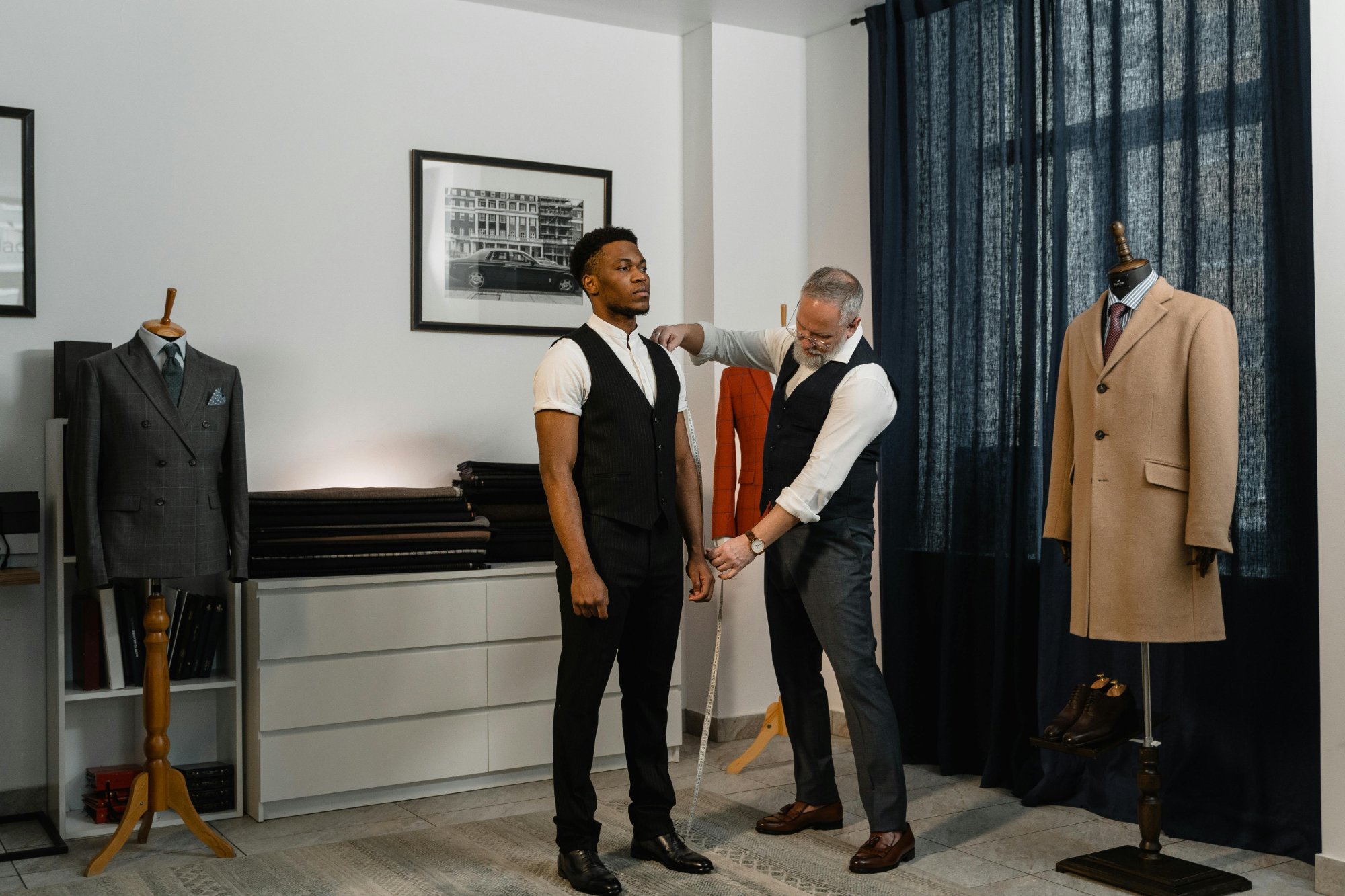




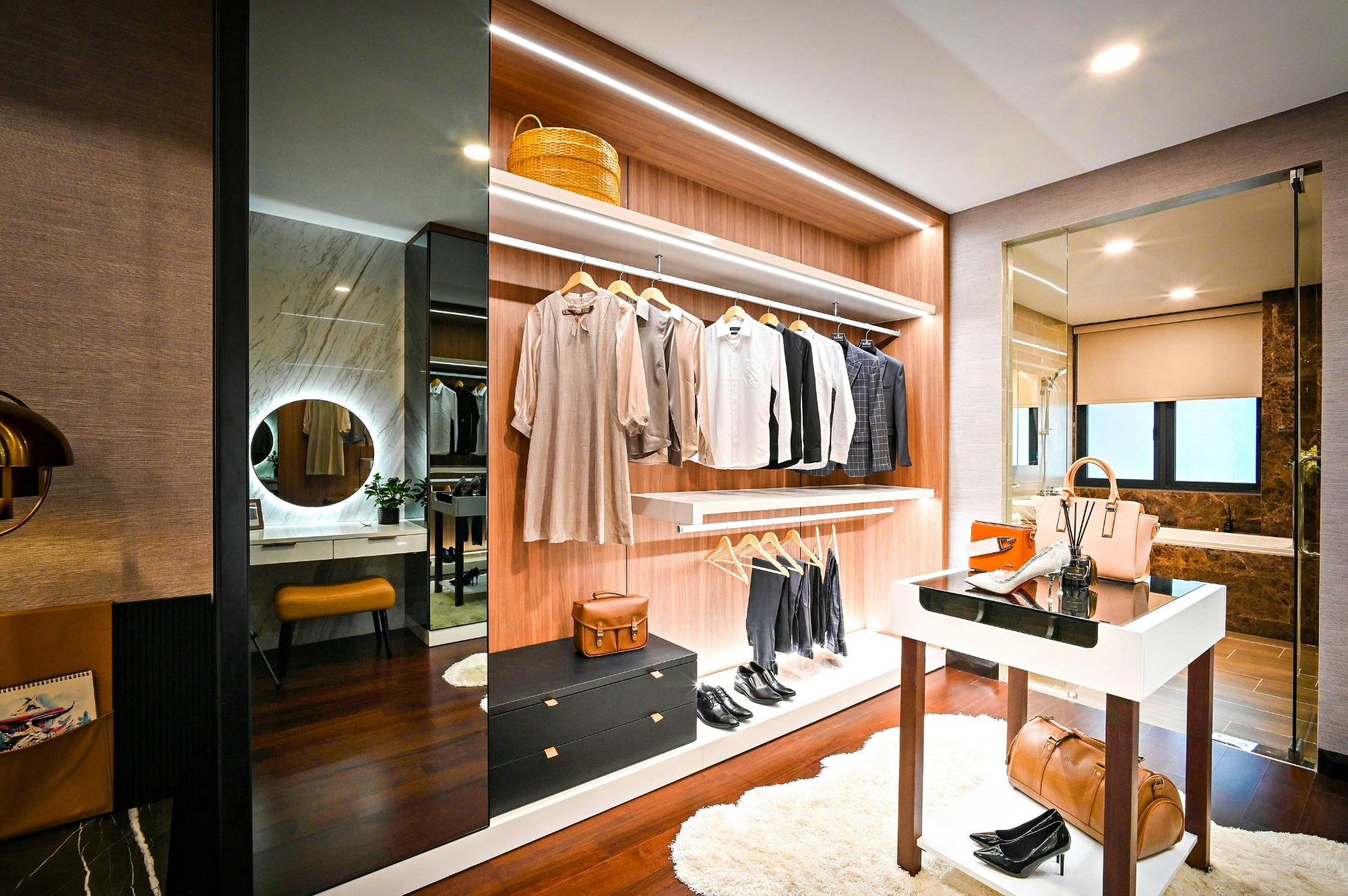
The case for a quality-focused minimal wardrobe is economic before it is aesthetic. Twelve pieces at an average investment of £300–£600 each represents £3,600–£7,200 in total. The same wardrobe, built to the correct standard, will serve for 15–20 years with appropriate maintenance. A person who instead replaces fast-fashion equivalents annually at £1,000 per year will spend £15,000–£20,000 over the same period and hold nothing of lasting value at the end of it. The mathematics are unambiguous. The obstacle is not the arithmetic — it is identifying which twelve pieces are actually worth the investment, what "worth the investment" means in terms of construction and material, and how to verify quality before purchase.
1. The Suit

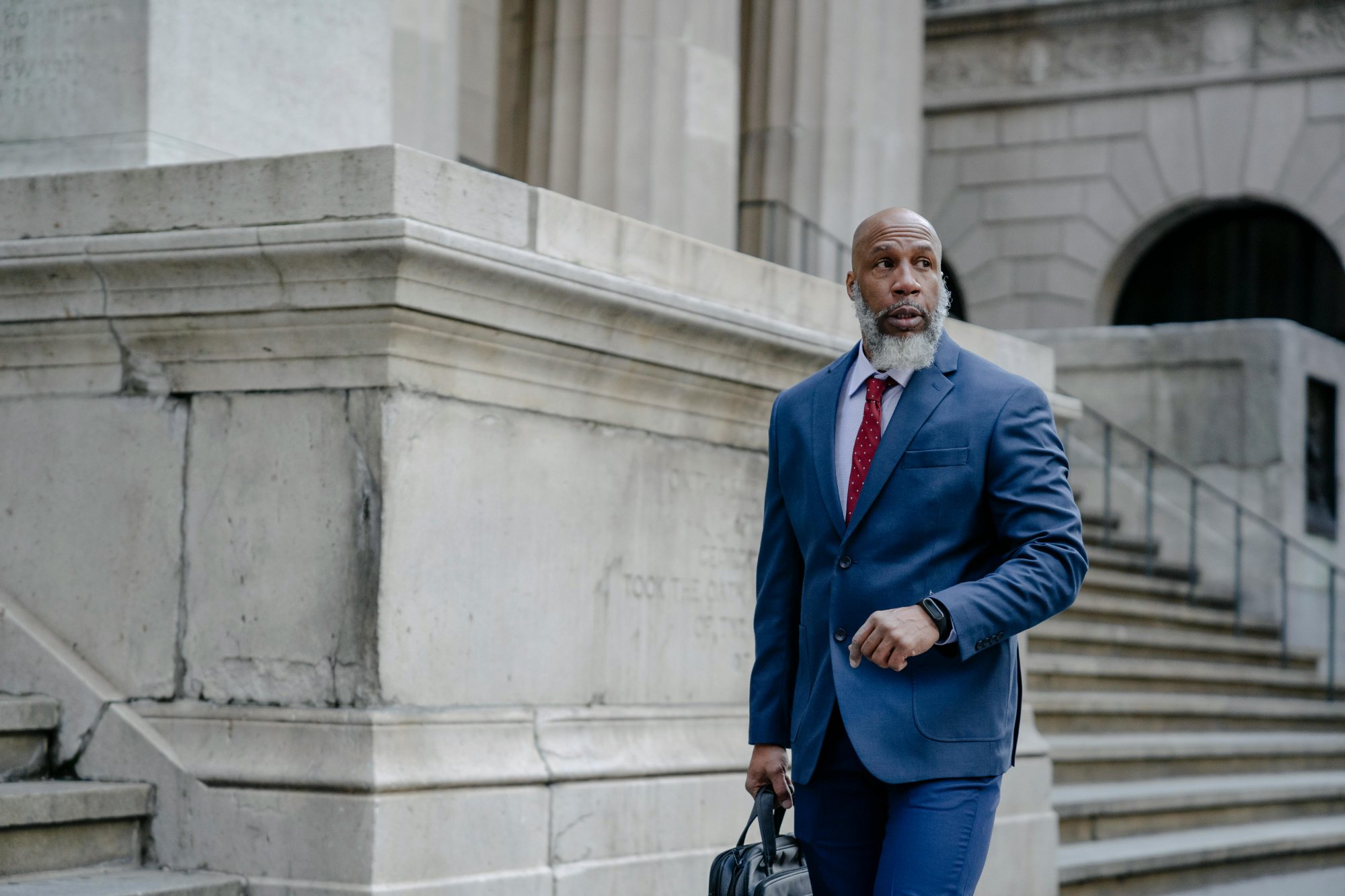
One suit — in navy or charcoal, in a mid-weight fabric of 270–310 grams per linear metre (the functional range for year-round wear in a temperate climate) — fully canvassed. The distinction between a fully canvassed suit and a fused suit determines its lifespan more than any other single factor. A fully canvassed suit contains a layer of woven horsehair or wool canvas running through the chest and lapels, hand-stitched to the fabric at the edges. This canvas molds to the wearer's body over time and recovers its shape after compression. A fused suit achieves its chest structure through a layer of adhesive bonding the interlining to the outer fabric — a process that costs less but produces a suit that will de-laminate within five to ten years of regular use, producing visible bubbling in the chest area that is irreversible. Savile Row bespoke — the global benchmark, in production since the 18th century — requires 50–80 hours of handwork and starts at £4,000–£8,000 per commission. Made-to-measure from a Neapolitan house (Stile Latino, Rubinacci, Cesare Attolini) or a London maker (Henry Poole, Dege & Skinner) provides approximately 80 percent of the bespoke advantage at 30–40 percent of the cost. Quality ready-to-wear with proper alteration — the post-purchase fitting of a block to a specific body — is a viable entry point for buyers not yet ready for made-to-measure.
2 & 3. The White Dress Shirts
Two white dress shirts in 100-count two-ply poplin or medium-weight twill — not broadcloth (too light, loses body after repeated washing) and not synthetic blends (do not breathe, retain odour). Quality markers: correctly spaced buttons, a collar with adequate interlining to return to shape after washing, a cuff that lies flat under a jacket sleeve without rolling. Italian makers including Finamore Napoli and Borrelli produce quality shirts at £150–£250. Thomas Pink and Hawes & Curtis offer reliable quality at accessible prices. Shirts should be machine-washed on a cool cycle and ironed — not dry-cleaned, which degrades cotton fibres over repeated treatments.
4. The Oxford Cloth Button-Down
The OCBD — the button-down collar shirt in Oxford cloth — is the most versatile casual-professional garment available. The collar button-down was developed in the 19th century to prevent collar roll during polo; its current function is to provide a shirt that works without a tie, under a crewneck, under a sport coat, or worn alone, and that looks correct in all four contexts without effort. Brooks Brothers introduced the OCBD to American menswear in 1896 and has produced it continuously since. Oxford cloth, a basket-weave cotton, has sufficient body to hold its shape over repeated washing without requiring ironing. Equivalent quality is available from Ralph Lauren, J. Press, and Japanese makers including Kamakura Shirts, whose production standards are particularly high relative to price.
5. The Chino
A mid-weight chino in stone, khaki, or mid-tan — cotton or cotton-linen — in a slim-straight cut that falls cleanly over the shoe. Weight matters: heavier fabrics (above 280g/m²) hold their shape across a full day without bagging at the knee or creasing at the seat; lighter fabrics do not. Incotex, the Venetian trouser specialist founded in 1951 and now part of the Zegna Group, produces the quality benchmark at approximately £200–£350. Their silhouette research — the company employs specialists in body geometry research applied to trouser construction — produces a trouser that fits correctly across a wider range of body types than most competitors at the same price point.
6. The Dark Denim
Raw or selvedge denim in dark indigo — the heaviest usable weight is approximately 14–15 oz for a trouser that works as a professional casual option. Japanese selvedge denim from mills including Kuroki, Kaihara, and Nihon Menpu represents the quality benchmark, used by makers including Pure Blue Japan and Oni Denim. Levi's 501 remains the correct entry point: unchanged in its fundamental construction since its 1873 patent, produced in various weights and finishes, and widely available. The case for Levi's 501 is the same as the case for any enduring design: it has survived because it works, not because it has been successfully marketed.
7. The Heavyweight Crewneck
A heavyweight Shetland wool crewneck in navy, grey marl, or burgundy. Shetland wool — produced from the fleece of Shetland sheep raised on the Shetland Islands of Scotland — is a mid-weight fibre with more texture and more warmth than cashmere at a fraction of the price, and is more durable in regular use than most cashmere at equivalent quality levels. William Lockie, based in Hawick, Scotland, and Johnstons of Elgin, based in Elgin, Scotland since 1797, produce the quality benchmark in this category. Both mills use traditional Scottish island wool sources and slow production processes that produce garments indistinguishable in quality from far more expensive alternatives. Budget: £150–£300. Maintenance: hand wash in cool water, flat dry — never machine dry wool.
8. The Black Cap-Toe Oxford
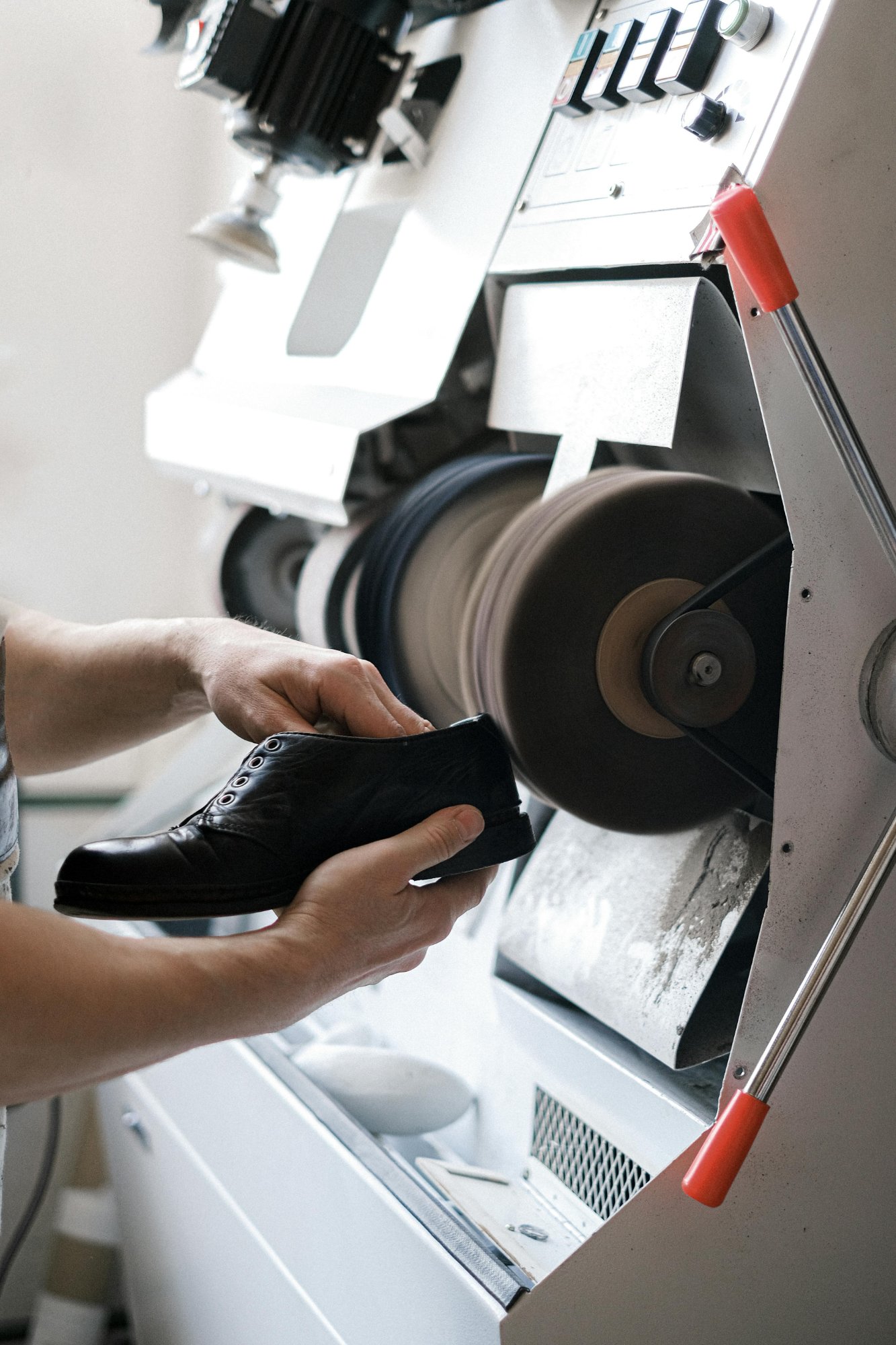
A Goodyear-welted black calf cap-toe oxford from a Northampton maker — Church's (established 1873), Crockett & Jones (established 1879, still independent), or Edward Green (established 1890, still independent). These makers represent 150 years of continuous production of the specific type of shoe using the Goodyear welt construction that allows indefinite resoling. A pair maintained correctly — polished regularly, stored on cedar shoe trees, resoled at a quality cobbler when the welt shows wear — will last 20 years. The resoling cost at a skilled cobbler is approximately £80–£120 per pair; a well-maintained quality shoe will be resoled three to five times in its life. The total cost of ownership over 20 years is materially lower than three or four replacements of inferior shoes over the same period.
9. The Loafer
A penny or tassel loafer in dark tan, burgundy, or dark brown — in suede or smooth calf. The Crockett & Jones Cavendish penny loafer and the Alden 986 tassel loafer (made in Brockton, Massachusetts, in continuous production) are the quality benchmarks in their respective markets. Both are Goodyear-welted and resole indefinitely. Budget: £350–£500 for a quality example.
10. The White Leather Trainer
One pair of clean white leather trainers — Common Projects Achilles or a quality equivalent. The white leather trainer is the garment that provides genuine casualness without communicating indifference: it reads as a deliberate choice in a room where deliberate choices are noticed. Keep it clean; replace it when it cannot be adequately cleaned. Budget: £250–£450.
11. The Overcoat
A single-breasted overcoat in camel, dark navy, or charcoal — in a quality wool or cashmere-wool blend, at a weight of 600g/m² or above for genuine warmth and structure. The overcoat is the most visible garment in a cold-weather professional wardrobe and the piece over which the largest number of professional first impressions are formed in winter months. Crombie, established in Aberdeen, Scotland, in 1805 and a specialist in overcoat production for over 200 years, produces the standard-setting British overcoat. Italian makers including Cesare Attolini and Rubinacci produce the equivalent in a slightly lighter Neapolitan construction. Budget: £400–£1,200 for a quality example that will serve for 15–20 years.
12. The Watch
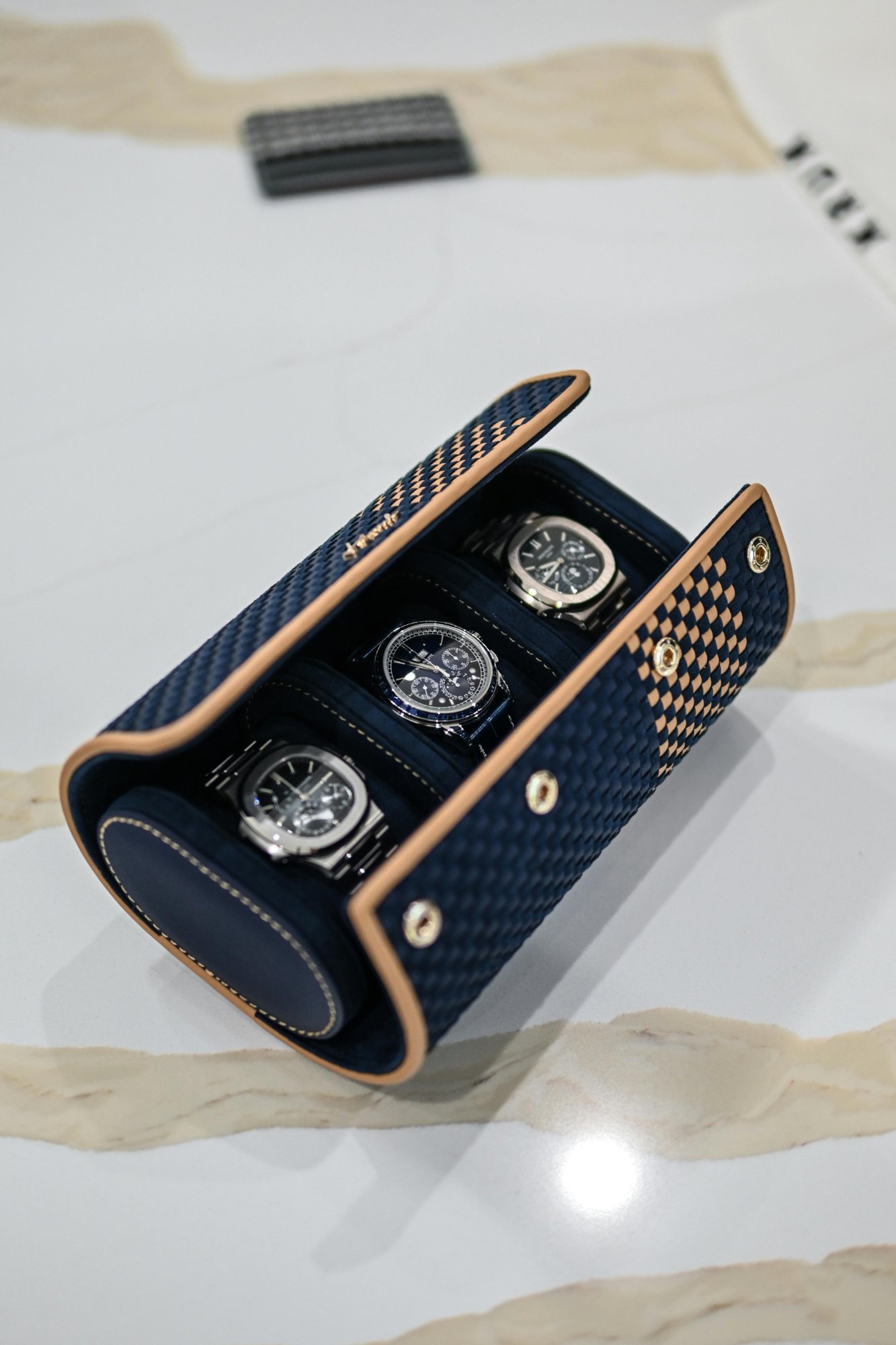
One watch appropriate to the context — a dress watch for formal occasions, a sports watch for daily wear — at a quality level that is justified by the frequency and purpose of use. The watch is the one item in this wardrobe where the maker's name is legible to a knowledgeable observer and where that legibility carries specific contextual signal value. See the watch buying guide elsewhere in this publication for specific recommendations across price points and contexts.
The wardrobe as described functions as cognitive infrastructure as much as sartorial one. The professional who has invested precisely and correctly in a quality-focused wardrobe spends less time deciding what to wear, less money on replacement, and carries less anxiety about whether they are dressed correctly for any occasion they are likely to encounter. These are not trivial gains. The wardrobe that works is the one that requires the least thought.
Sources: Johnstons of Elgin company history (established Elgin, Scotland, 1797); Crombie company history (established Aberdeen, Scotland, 1805); Crockett & Jones company history (established Northampton, 1879); Church's company history (established Northampton, 1873); Edward Green company history (established Northampton, 1890); Alden Shoe Company production records (established Brockton, Massachusetts, 1884); Brooks Brothers OCBD history (introduced 1896); Incotex company information (established Venice, 1951). This article is editorial commentary only. Specific pricing and product availability are subject to change.