



'%3ECASH%3C/text%3E%3C/svg%3E)















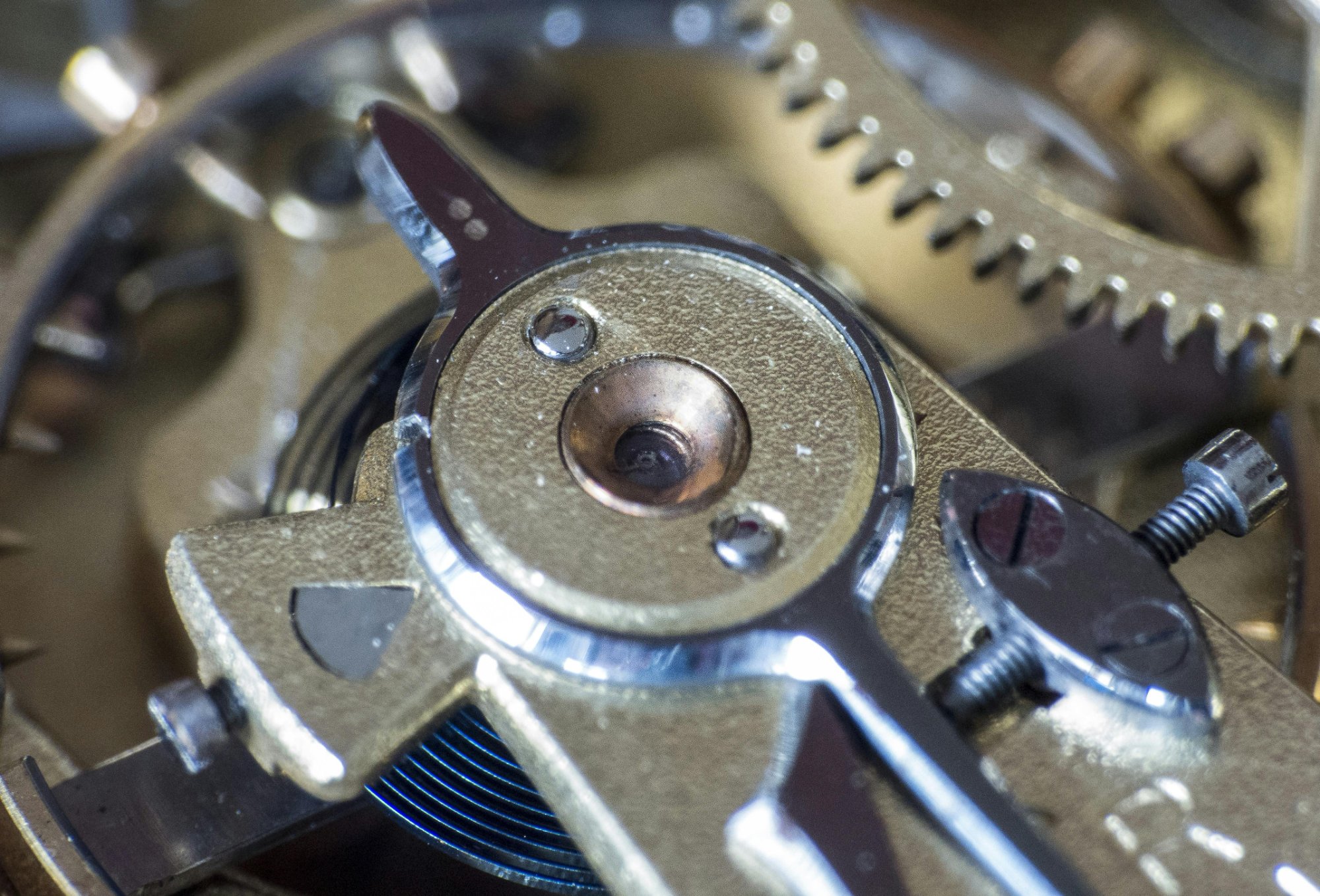
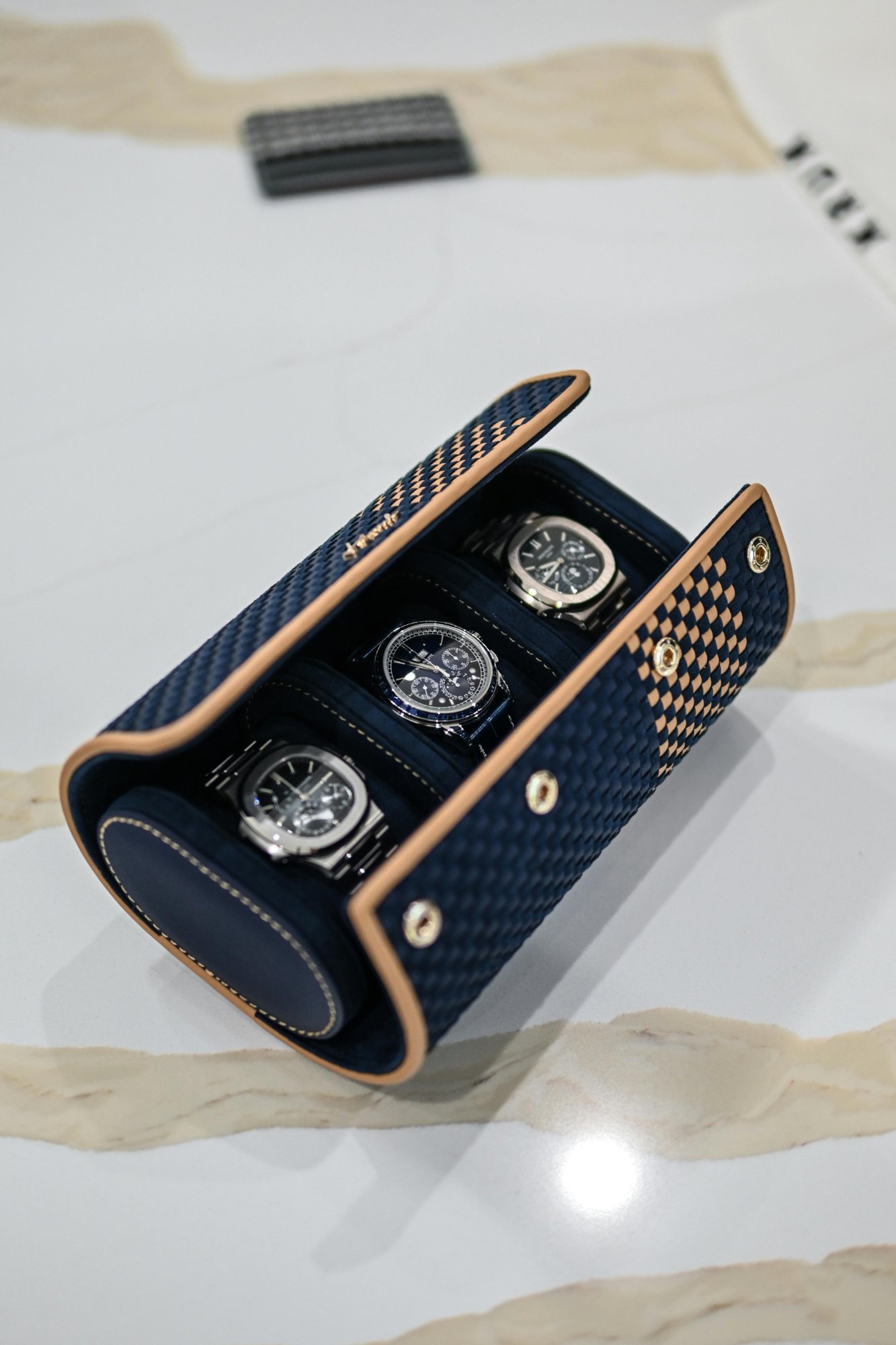















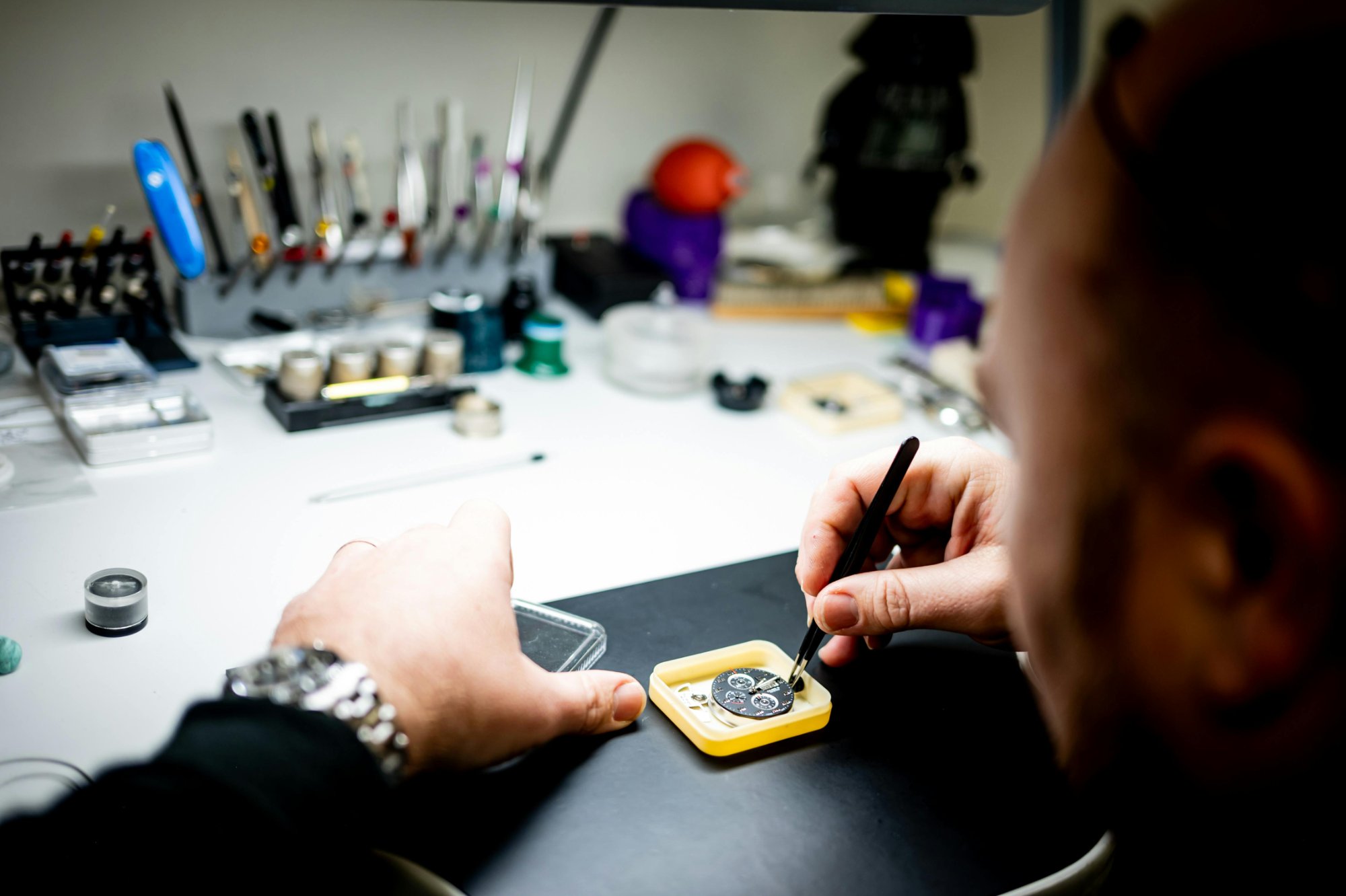
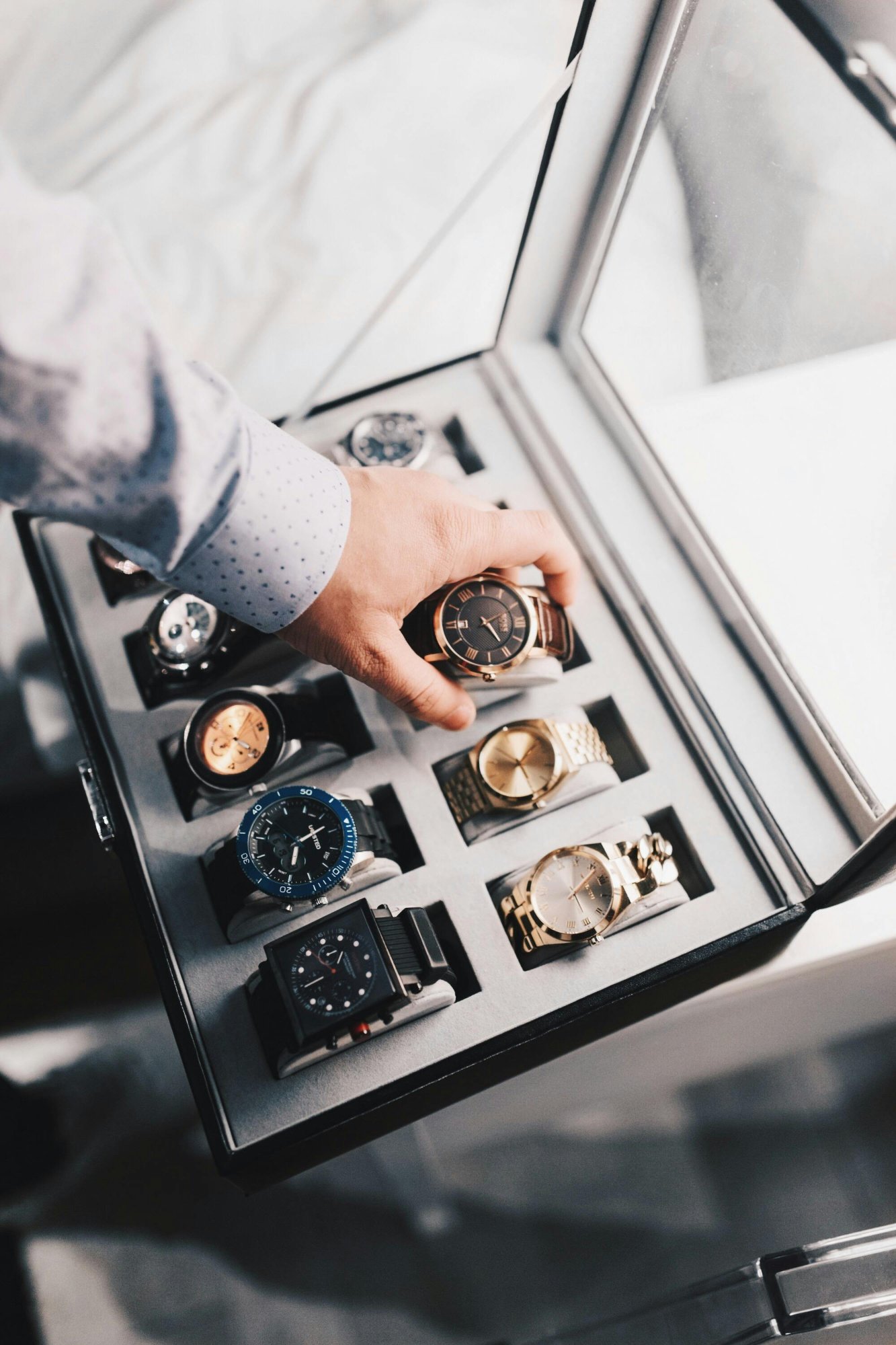
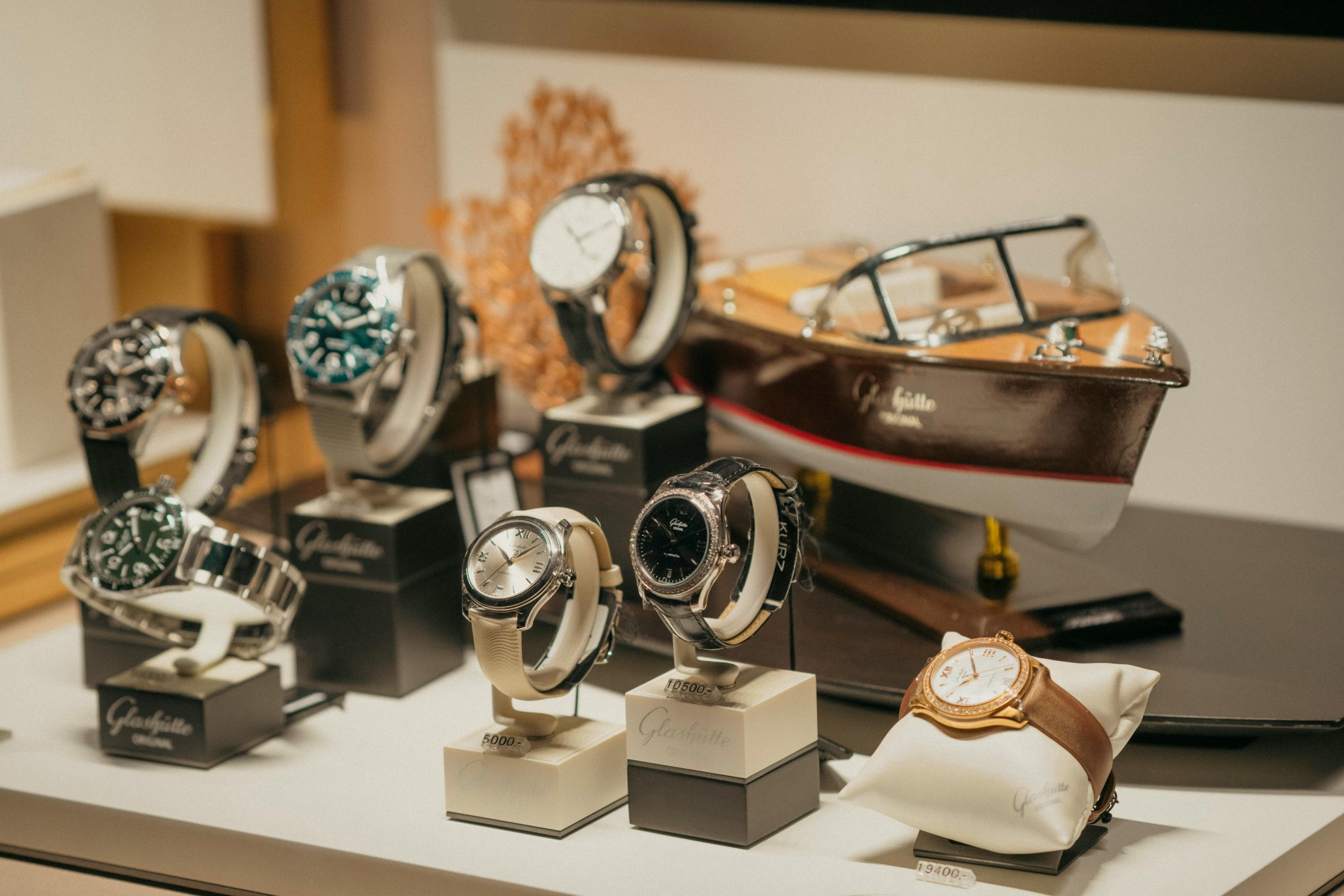
A mechanical watch contains between 100 and 400 individual components — most of them microscopic, operating at tolerances measured in microns, lubricated by oils that degrade over time. It is not self-maintaining. The question is not whether it will need service, but when, what that service involves, what it costs, and who should perform it. Most watch content covers the acquisition decision in exhaustive detail. Almost none covers what ownership actually requires. Here is what the serious owner needs to know.
How Often Does a Mechanical Watch Actually Need Servicing?
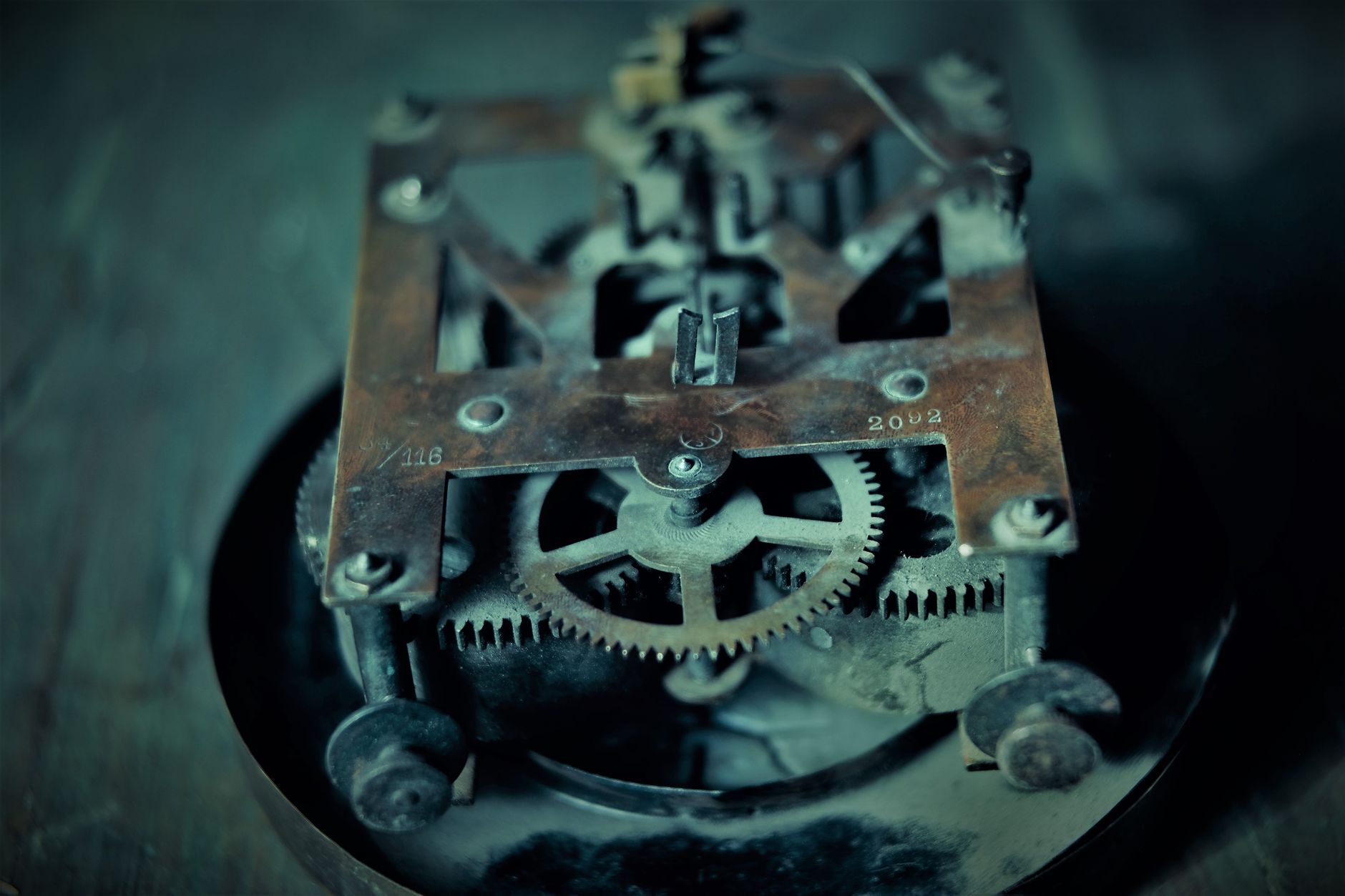
Manufacturer recommendations vary significantly by brand and calibre. Rolex recommends service every 10 years for most modern references — a schedule the company extended from 5 years when it introduced its Syloxi silicon hairspring in 2015, which is more resistant to magnetic fields and more dimensionally stable than traditional alloy hairsprings, reducing lubricant degradation in the escapement. Patek Philippe recommends service every 3–5 years for complicated watches and 5–8 years for simpler movements. IWC and Omega both recommend approximately 5–8 years between services for most calibres, according to published manufacturer guidance.
These are recommendations, not physical limits — a well-maintained watch in clean storage can run reliably beyond these intervals, while one exposed to dust, moisture, or magnetic fields may need attention sooner. The practical indicator for service need is not a calendar date but performance: a watch losing or gaining more than ±4–6 seconds per day (the COSC chronometer standard is ±4 seconds per day at certification), showing inconsistent rate between positions (dial-up versus crown-down), or exhibiting declining power reserve shorter than the movement's specification should be examined by a watchmaker. A timing machine reading — a 5-minute procedure at most independent watchmakers — will diagnose the likely cause immediately.
What a Full Service Actually Involves
A full mechanical service involves complete disassembly of the movement, ultrasonic cleaning of all components, inspection and replacement of worn parts (which may include the mainspring, keyless works components, and jewel settings), re-lubrication with specific oils at specific points in the movement, reassembly, and regulation to confirm the watch runs within specification across multiple positions and orientations. A modern mechanical watch typically requires three or four different lubricants applied to different components at different viscosities — the escapement, the barrel arbor, the keyless works, and the pivot holes each require specific lubrication that affects rate and longevity differently.
For a watch with a stated water resistance specification, the seals (crown seal, case-back gasket, crystal gasket) are replaced and the case is pressure-tested after service — a step that is non-negotiable if you intend to use the watch near water. A full service for a simple three-hand watch at an authorised service centre typically takes 6–12 weeks from submission. Complex pieces with multiple complications take longer, and some manufacturers require the watch to be sent to the country of manufacture for service.
Manufacturer Service vs Independent Watchmaker

Manufacturer service centres — authorised by and working to the specifications of Rolex, Omega, Patek Philippe, and other brands — provide genuine OEM parts, factory-trained technicians, and post-service warranties that maintain the watch's existing manufacturer warranty coverage. Published manufacturer service prices (accurate as of 2025 based on official service centre schedules): Rolex full service typically runs $800–$1,200 for a standard three-hand watch; Omega Master Chronometer service approximately $600–$900 depending on the reference; Patek Philippe service for a simple manual-wind calibre starts around $1,500 and rises significantly for complicated movements. Manufacturer service centres also restore the external case and bracelet surfaces to original finish — preserving resale value but removing the natural wear patina that many collectors actively value.
Independent watchmakers trained at manufacturer service centres before establishing independent practices can provide comparable technical work at 20–50 percent lower cost, with greater flexibility on finish restoration and typically shorter turnaround times. The principal risk is parts quality: independent watchmakers sourcing parts from third-party suppliers rather than manufacturer supply chains may use components that are not to original specification — a meaningful concern for high-performance movements in pieces above $10,000 in value. For watches above $10,000, manufacturer service is appropriate for both quality and resale value preservation. For workhorses purchased at more modest prices, an experienced and well-referred independent watchmaker is entirely appropriate.
The Economics of Watch Maintenance
A Rolex Submariner (no-date, ref. 124060, current retail $10,050) will require perhaps $900–$1,000 in manufacturer servicing over its first decade and a similar amount in the second. Against a purchase price of $10,050, the 20-year total cost of ownership for parts and service is approximately $11,850–$12,050 — less than two years of iPhone upgrades for many professionals. The secondary market value of a well-maintained Submariner over that period has historically exceeded the original purchase price, per WatchCharts secondary market pricing data, though past performance is not indicative of future results.
The alternative calculation — the cost of deferred maintenance — is severe. A movement that runs dry of lubricant causes metal-on-metal contact in the escapement and pivot holes, generating metal particles that circulate through the oil channels and accelerate wear on every component they contact. A movement that has suffered lubricant failure typically requires replacement of the escapement lever, escape wheel, and multiple pivot jewel settings — repair costs that can exceed two full services. On a vintage piece where original parts are no longer available from the manufacturer, deferred maintenance can render a watch economically irreparable regardless of its nominal value. Service when it is due.
Sources: Rolex published service recommendations; COSC chronometer certification standard (±4 seconds/day); Patek Philippe published service guidelines; Omega published service guidance; manufacturer service pricing from official UK and US service centres as of 2025; WatchCharts secondary market pricing data. This article is editorial commentary only. Pricing is subject to change.