'%3ECASH%3C/text%3E%3C/svg%3E)




















The whisky investment market has expanded from a specialist collector's niche into a recognised alternative asset class over the past two decades, driven by the same forces that have supported other tangible asset markets: growing global wealth, the search for returns uncorrelated with financial markets, and the cultural appeal of a product that combines genuine scarcity with improving desirability over time. The Scotch Whisky Association reported export values of £5.4 billion in 2023 — a record at the time — though exports declined modestly in 2024 due to tariff uncertainty in key Asian markets and some softening in premium segment demand. Single malt Scotch accounts for approximately 26 percent of export volume by value but approximately 46 percent of export value, reflecting the premium the segment commands over blended Scotch.
Why Whisky Has Investment Value
The investment case for rare whisky shares structural characteristics with fine wine: fixed supply at the point of production, diminishing available inventory as bottles are consumed, improving desirability of aged expressions over time, and growing global demand driven by wealth creation in Asia and rising appreciation in North America and Europe. The key difference from wine: whisky does not continue maturing once bottled. The entire aging process occurs in cask, and once bottled, the whisky's sensory profile is essentially fixed indefinitely, unlike wine which continues to evolve. This means the investment case for bottles is driven purely by scarcity and perceived desirability — there is no ongoing improvement in the asset that rewards holding beyond a collector's personal preference.
Bottles vs Casks: Two Different Markets
The whisky investment market divides into two fundamentally different categories with distinct risk profiles, liquidity characteristics, and entry requirements. Understanding which market you are participating in is essential before committing capital.
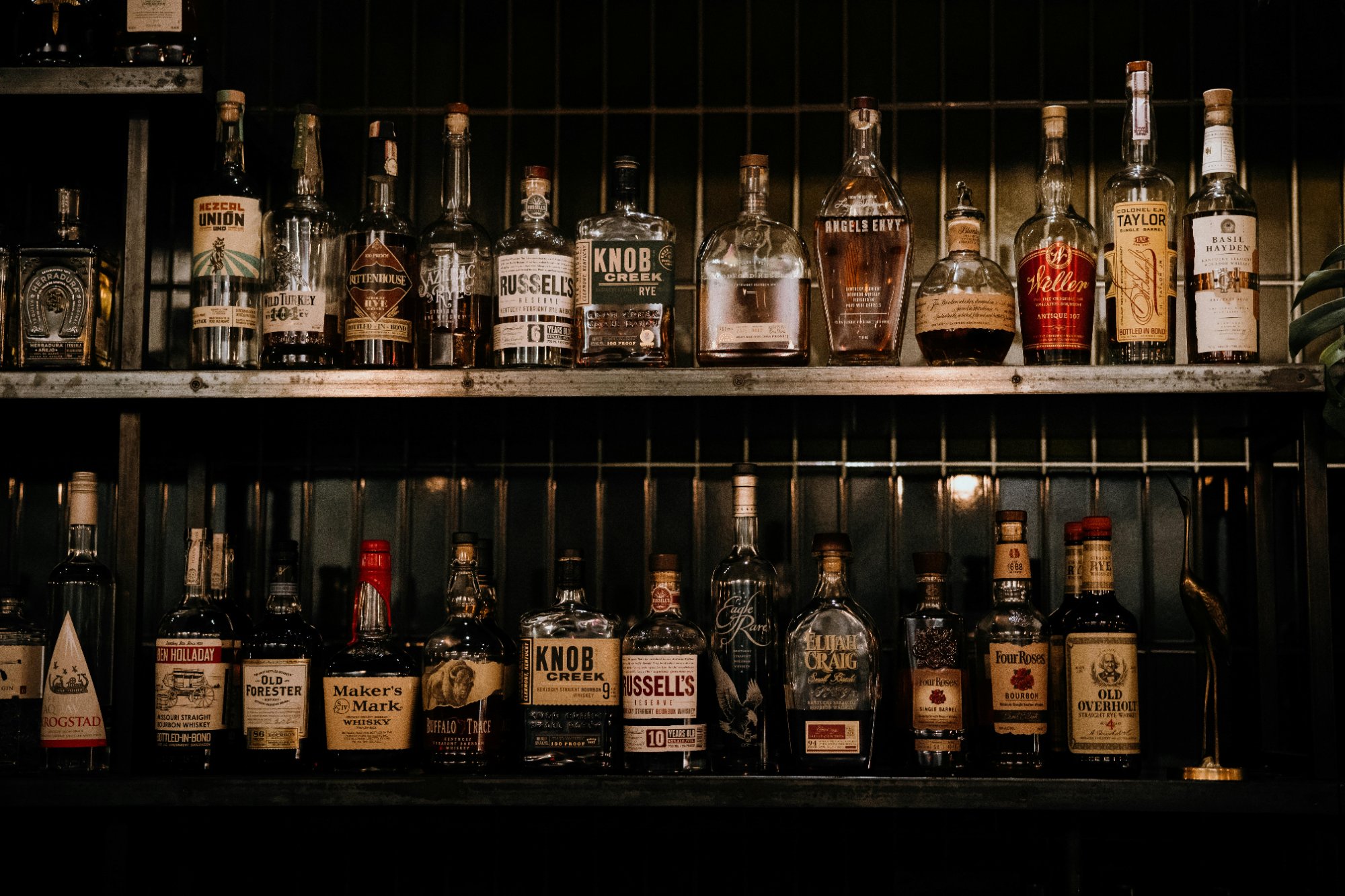
Bottles represent the more accessible and liquid end of the market. Investment-grade bottles — typically single malts from closed or highly sought-after distilleries, limited release expressions, or notable vintages from producers with documented quality reputations — are traded through specialist auction houses including Scotch Whisky Auctions, Whisky Auctioneer, and the specialist spirits divisions of Christie's, Sotheby's, and Bonhams. Buyer's premiums at auction typically run 12–22 percent on the hammer price — a transaction cost that must be factored into all return calculations from the point of purchase. Liquidity for the top tier is reasonable: a bottle of Karuizawa or a pre-closure Rosebank can typically be offered and sold through a specialist auction within 30–60 days. Liquidity for mid-tier bottles is slower and less predictable.
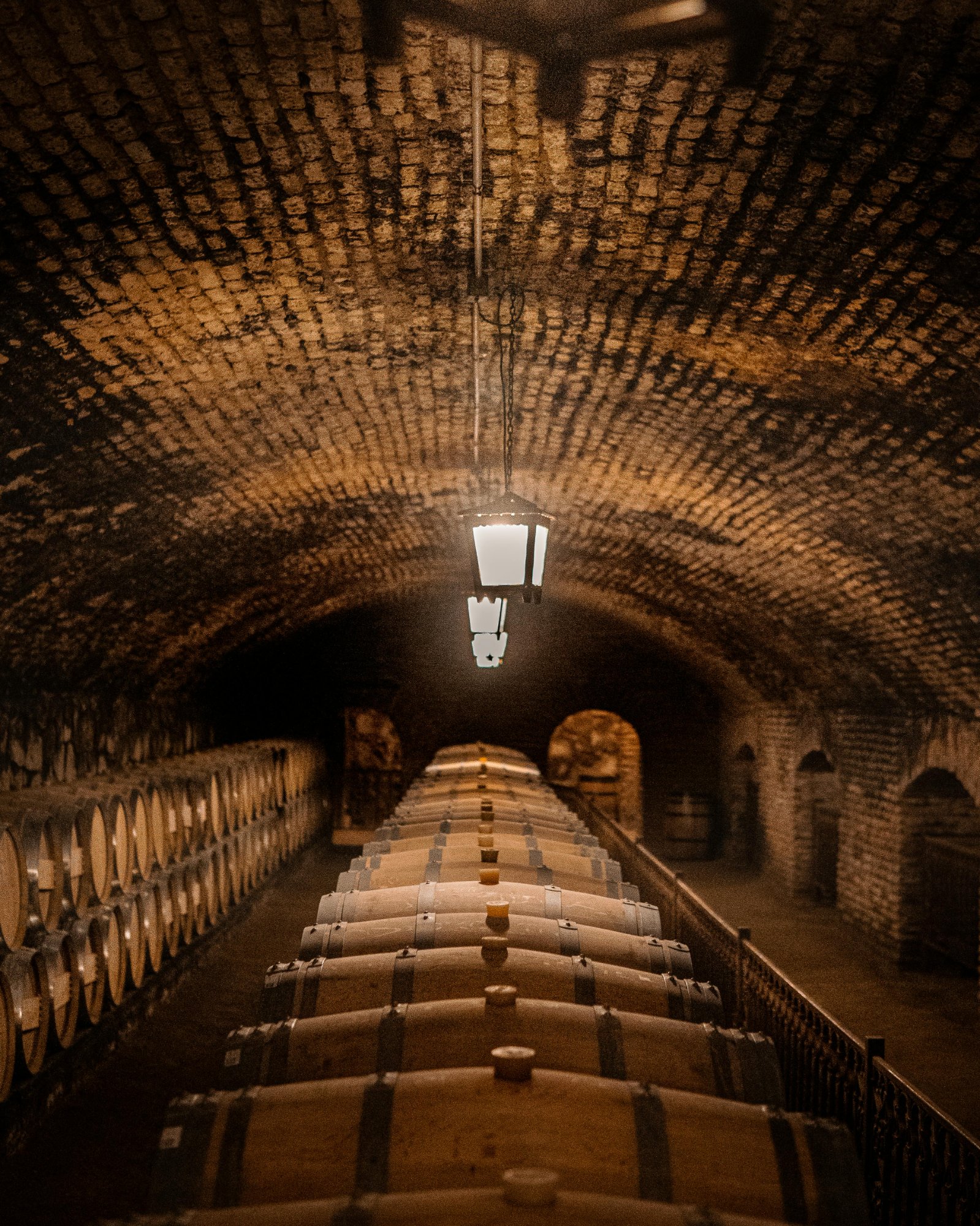
Casks represent the institutional end of the market and carry significantly higher potential returns combined with significantly higher risks. Purchasing a cask means acquiring legal ownership of maturing spirit held at a distillery's licensed bonded warehouse, where it ages under bond until either bottled or sold. The investment thesis: a cask of five-year-old spirit from a well-regarded distillery becomes a ten-year-old, then a fifteen-year-old, with the older age statement commanding a substantial premium at the point of sale or bottling. The practical risks: reselling a cask requires either a distillery willing to repurchase (not guaranteed) or a specialist buyer in a relatively thin secondary market; the quality of the maturing spirit cannot be fully assessed until bottling; and cask investment has been the subject of significant regulatory scrutiny in the United Kingdom following multiple fraudulent schemes. The Financial Conduct Authority (FCA) has issued multiple formal warnings about unregulated cask investment schemes offering guaranteed returns — a characteristic that should be treated as an immediate red flag, as no investment in maturing whisky can legitimately guarantee a return.
The Japanese Whisky Premium

Japanese whisky commands a secondary market premium that reflects genuinely constrained supply combined with the global expansion of demand for the category. Japan's two dominant distillery groups — Suntory (Yamazaki, Hakushu, Hibiki) and Nikka (Yoichi, Miyagikyo) — produce mature expression volumes that are small relative to global demand, having historically produced for the domestic market and experienced rapid global demand growth faster than their aged inventory could absorb. Age-statement Japanese whiskies — Yamazaki 18, Yamazaki 25, and the Yamazaki Single Malt Sherry Cask releases — regularly achieve multiples of their retail prices at specialist auction, where availability exists.
Karuizawa, a distillery that operated from 1955 until its closure in 2000 and whose entire historical output has already been distilled, represents one of the most clearly defined scarcity plays in the whisky investment market: supply is genuinely finite and decreasing as bottles are consumed, the distillery cannot reopen to produce more, and documented sales at Bonhams and other specialist auctioneers have established a track record of significant appreciation for the most sought-after expressions. Individual bottles have sold for prices exceeding £100,000 at major auction houses for exceptional single cask bottlings. The investment case for this category is straightforward; the entry barrier, for serious buying, is correspondingly high.
The 2023-2024 Correction and Current Market Conditions
The whisky investment market experienced a significant correction during 2023 and into 2024, following the speculative peak that accompanied the general enthusiasm for alternative assets during and immediately after the pandemic period. The Rare Whisky Apex 1000 Index — which tracks the secondary market value of the 1,000 most collectible bottles of Scotch whisky, maintained by specialist data firm Rare Whisky 101 — declined approximately 15–20 percent from its 2022 peak during this period, according to data cited in specialist industry reporting. The correction was most pronounced in the mid-tier: bottles that had appreciated primarily on general market enthusiasm rather than specific collector demand for genuinely scarce expressions. The top tier — closed distilleries, significant age-statement expressions from producers with sustained demand, limited releases with documented scarcity — held value materially better through the correction. By 2025, specialist analysts noted selective recovery in these categories, with Japanese whisky and high-age-statement Scotch leading the improvement.
Practical Entry: Where to Start
For buyers entering the whisky investment market, three principles apply regardless of budget. First, buy genuine scarcity — closed distilleries, documented limited releases, and older age statements from producers with demonstrable sustained collector demand — rather than currently fashionable bottles without structural scarcity. The mid-tier correction of 2023–2024 was disproportionately a correction in fashion-driven buying of bottles that were popular rather than scarce. Second, buy exclusively through regulated, reputable channels: established auction houses with transparent buyer's premium disclosures, documented track records, and authentication procedures. Third, understand the full economics before committing: auction buyer's premiums of 12–22 percent, storage costs for bottles held in appropriate conditions, insurance, and the transaction costs of eventual sale — all of which materially affect net returns.
The Scotch Whisky Association provides a published checklist for prospective cask investors — covering the questions that must be answered before any cask investment is made — which is freely available on its website. The FCA's warnings on unregulated whisky investment schemes are similarly available. Both are worth reading before engaging with any party offering whisky investment opportunities.
Sources: Scotch Whisky Association export data 2023 (scotch-whisky.org.uk); Rare Whisky 101 Apex 1000 Index data and methodology; Financial Conduct Authority formal warnings on whisky cask investment schemes (fca.org.uk); Bonhams Whisky auction results; Scotch Whisky Association cask investment checklist. This article is editorial commentary and does not constitute financial or investment advice. Whisky investment — particularly cask investment — carries significant risks including illiquidity, the risk of fraud, regulatory risk, and the possibility of total loss. The FCA has warned that many firms offering cask investments are unregulated and that investors have limited legal recourse if things go wrong. Readers should seek independent professional advice before making any investment in whisky or other collectibles. Past performance is not indicative of future results.