'%3ECASH%3C/text%3E%3C/svg%3E)


















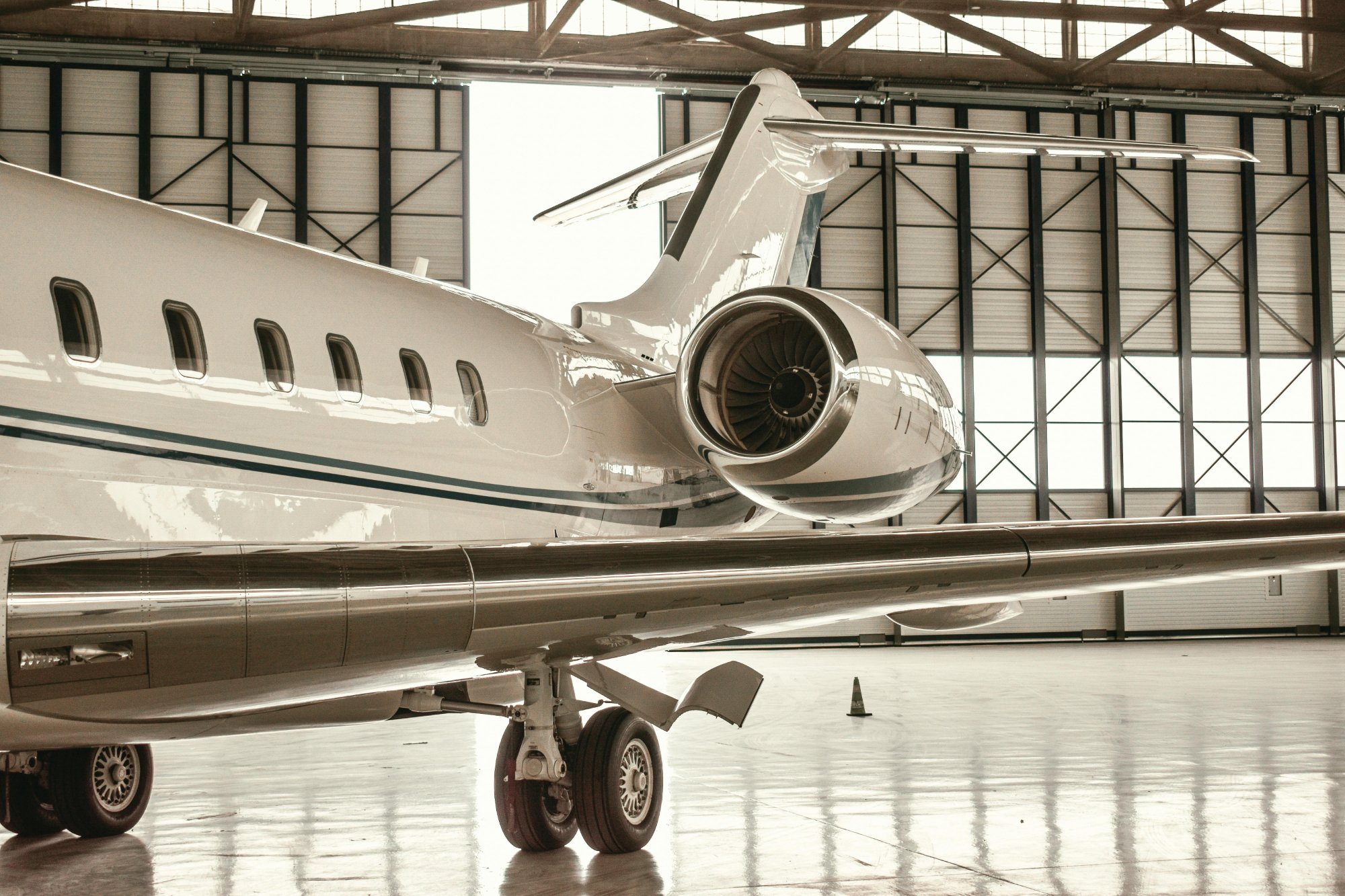
Global private aviation experienced a significant demand surge during the pandemic. Business aviation hours flown in the United States reached a record high in 2021, according to the General Aviation Manufacturers Association (GAMA), and while demand has normalised from its peak, utilisation remains substantially above pre-pandemic levels. The consequent impact on pricing has been significant: fractional share prices at NetJets increased materially between 2021 and 2024, jet card rates rose across the industry, and charter rates on popular routes during peak periods reached levels that made fractional ownership appear more cost-effective than historically. For buyers evaluating private aviation for the first time, the range of products — per-flight charter to jet card to fractional ownership to whole aircraft ownership — serves genuinely different use cases, and the correct choice depends on flight frequency, typical mission profile, and specific value placed on consistency versus flexibility.
Charter: The Entry Point
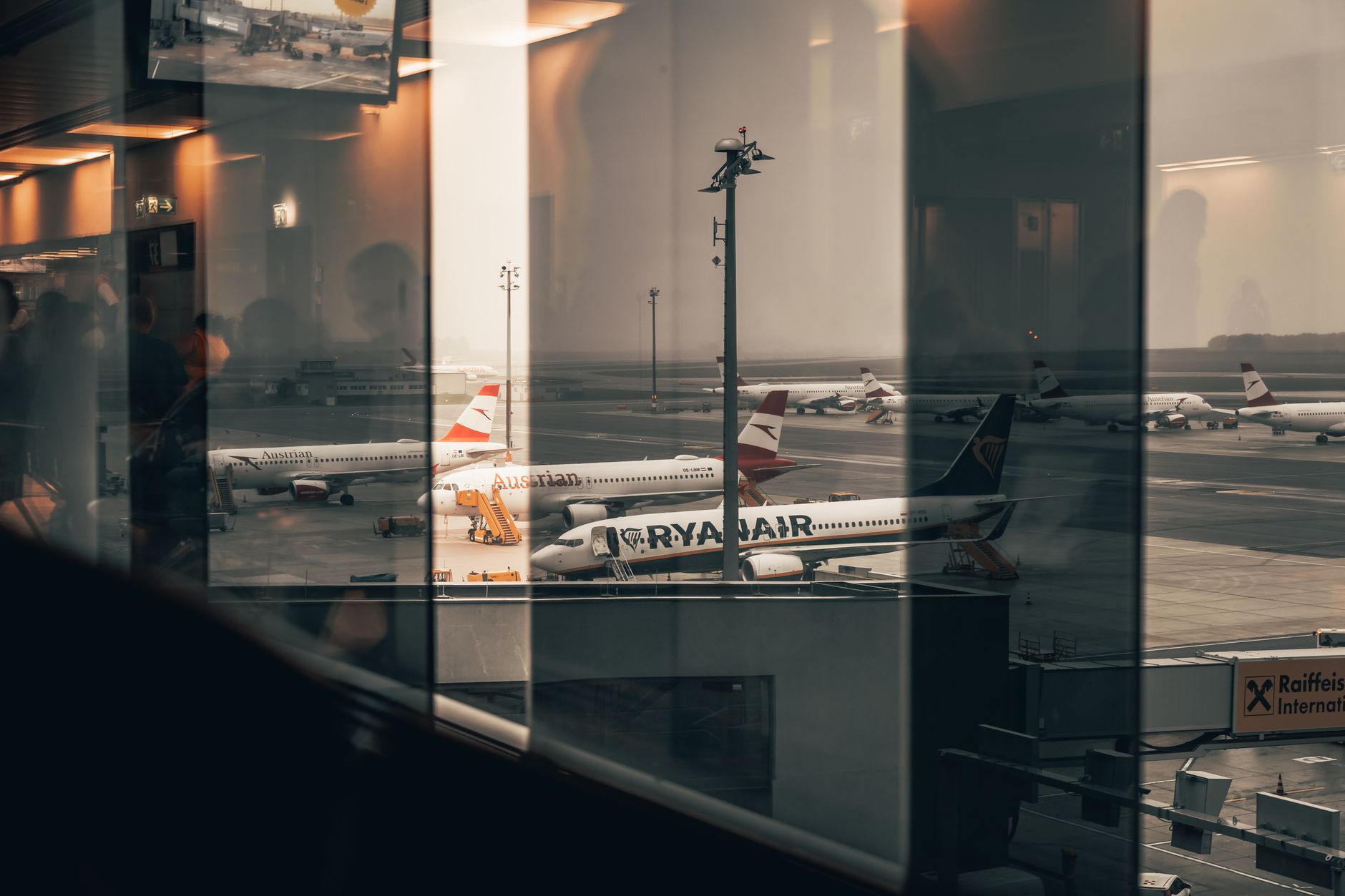
On-demand charter — booking a specific aircraft for a specific trip without any ongoing commitment — is the most flexible form and the correct entry point for buyers flying privately fewer than 20–25 hours per year. A one-way transatlantic flight on a large-cabin aircraft (Gulfstream G650, Bombardier Global 7500) typically ranges from $150,000 to $250,000 depending on routing and operator; a domestic US flight of 2–3 hours on a midsize jet (Cessna Citation X, Bombardier Challenger 350) ranges from $15,000 to $30,000 depending on availability. The practical challenges with ad-hoc charter are availability and consistency: the aircraft and crew assigned to a specific charter are whatever the broker's network has available on that specific day — which may not be consistent with what you experienced on a previous trip. For infrequent flyers for whom each trip is an occasional luxury, this is acceptable. For frequent flyers requiring guaranteed availability and consistent quality, charter alone is insufficient.
Jet Cards: Fixed Pricing Without Ownership Commitment
Jet card programs — offered by operators including NetJets (its Marquis Jets Card division), Wheels Up, Flexjet's card program — provide a fixed block of flight hours at guaranteed rates, without the capital commitment of fractional ownership. A standard jet card provides 25 flight hours in a specific aircraft category at a published per-hour rate, with guaranteed availability subject to notice requirements (typically 4 to 72 hours depending on program and aircraft category). Jet card pricing ranges from approximately $130,000–$200,000 for a 25-hour light jet card to $250,000–$400,000 for a 25-hour large-cabin card. The all-in hourly cost typically runs $5,000–$8,000 for a midsize jet and $8,000–$15,000 for a large-cabin aircraft. These are materially higher than the equivalent fractional cost per hour for frequent flyers, but avoid the significant upfront capital commitment that fractional ownership requires.
Fractional Ownership: The Committed Frequent Flyer

Fractional ownership, pioneered by NetJets (founded 1964, acquired by Berkshire Hathaway in 1998), provides a deeded ownership interest in a specific aircraft in exchange for a capital commitment and ongoing management and hourly fees. A 1/16th share in a light jet provides approximately 50 flight hours per year with guaranteed availability within a specified notice period. NetJets' entry-level fractional share in a light jet currently requires a capital commitment of approximately $500,000 with monthly management fees of approximately $10,000–$15,000 and occupied hourly fees of $3,000–$5,000, according to 2025 published program information. The economic crossover point — where fractional ownership becomes more cost-effective than an equivalent jet card — is generally considered to be above 50 hours annually. Below that threshold, the capital tied up in a fractional share typically produces better economics in alternative deployments. Above 150 hours annually, whole aircraft ownership typically becomes the most cost-effective structure, though with significantly higher management complexity.
What Private Aviation Actually Buys
The economic case for private aviation is rarely compelling on a per-mile basis against premium commercial alternatives. The case serious users make is about time and reliability — departure from any of 5,000+ private aviation airports (versus approximately 500 commercial airports in the US), schedules driven entirely by the passenger's needs, and the elimination of the 2–3 hours of airport infrastructure time that characterises even the most streamlined commercial experience. For executives and entrepreneurs whose time has a calculable value, the business case is often compelling. For leisure travellers, the premium over commercial alternatives is a choice about comfort, privacy, and the quality of the experience itself.
Sources: General Aviation Manufacturers Association (GAMA) activity data 2021–2024; NetJets 2025 published program information; Wheels Up program terms; industry analysis from PrivateFly, ARGUS, and Aviation International News. Pricing subject to change; consult operators directly for current terms. This is editorial commentary only.