'%3ECASH%3C/text%3E%3C/svg%3E)




















Clothing is a communication medium. Like every communication medium, its effectiveness depends on the alignment between the message sent and the message received — which depends entirely on the audience and the context in which it is received. The error that most professionals make is dressing for their current room, or for themselves, or for the room they have already been admitted to. The sophisticated approach is dressing for the room they want to be in — which requires, first, understanding what that room looks like from the inside, and then executing the signal with enough precision that the room recognises it as intentional rather than accidental.
The Room Concept

Every professional environment has a visible dress code — the observable norm of what people wear — and an invisible dress code — the unspoken signal of what genuine membership in that environment looks like at its highest level. The visible code is the floor. It defines what is acceptable. The invisible code is the ceiling, and it defines what arrival looks like. The analyst who dresses like the managing director before they have become one is not breaking a rule. They are sending a signal. Whether that signal reads as ambition, as presumption, or as a failure to understand one's current position depends entirely on whether the execution matches the aspiration in every detail.
Research on the relationship between appearance and professional outcomes has been conducted across multiple disciplines. Studies published in the Journal of Experimental Social Psychology — including work by Adam Galinsky and colleagues on the psychological effects of wearing specific types of clothing — found that clothing influences not only how observers perceive the wearer but how the wearer perceives themselves: wearers of formal attire in negotiation settings demonstrated more abstract thinking and achieved better outcomes than wearers of casual attire in the same settings. A separate body of research in the Journal of Consumer Research on "enclothed cognition" found systematic effects of clothing on cognitive performance and self-perception. These effects operate bidirectionally: clothing changes both how the wearer is perceived and how they perform.
Reading the Code
Reading the dress code of a room you have not yet entered requires research. Observing what people at the level you are targeting actually wear — through LinkedIn profiles, industry conference photographs, published interviews — provides data. Understanding the cultural norms of the specific industry, the specific firm, and the specific geography matters: the visible norm in a New York law firm differs from the norm in a London private equity firm differs from the norm in a San Francisco growth-stage technology company, even for roles of equivalent seniority. Asking a person you trust who is already at the level you are targeting — specifically asking how they dress for specific types of meetings — is the most direct research method and the most frequently avoided, because people find the question awkward to pose.
The failure modes are asymmetric. Under-dressing for a room — wearing casual attire in a context that expects formality — communicates either ignorance of the code (implying inadequate preparation) or deliberate rejection of the code (which requires significant social capital to carry off credibly at a junior career stage). Over-dressing — wearing formal attire in a context that has specifically rejected formality as a cultural signal — can communicate a similar ignorance or an inability to read subtle environmental cues. The safe error in most new contexts is marginal over-dressing: a collared shirt when most wear t-shirts; a sport coat when most wear open-collar shirts; a suit when most wear sport coats. Marginal over-dressing signals respect for the occasion. Significant over-dressing signals miscalibration.
The Intentionality Signal
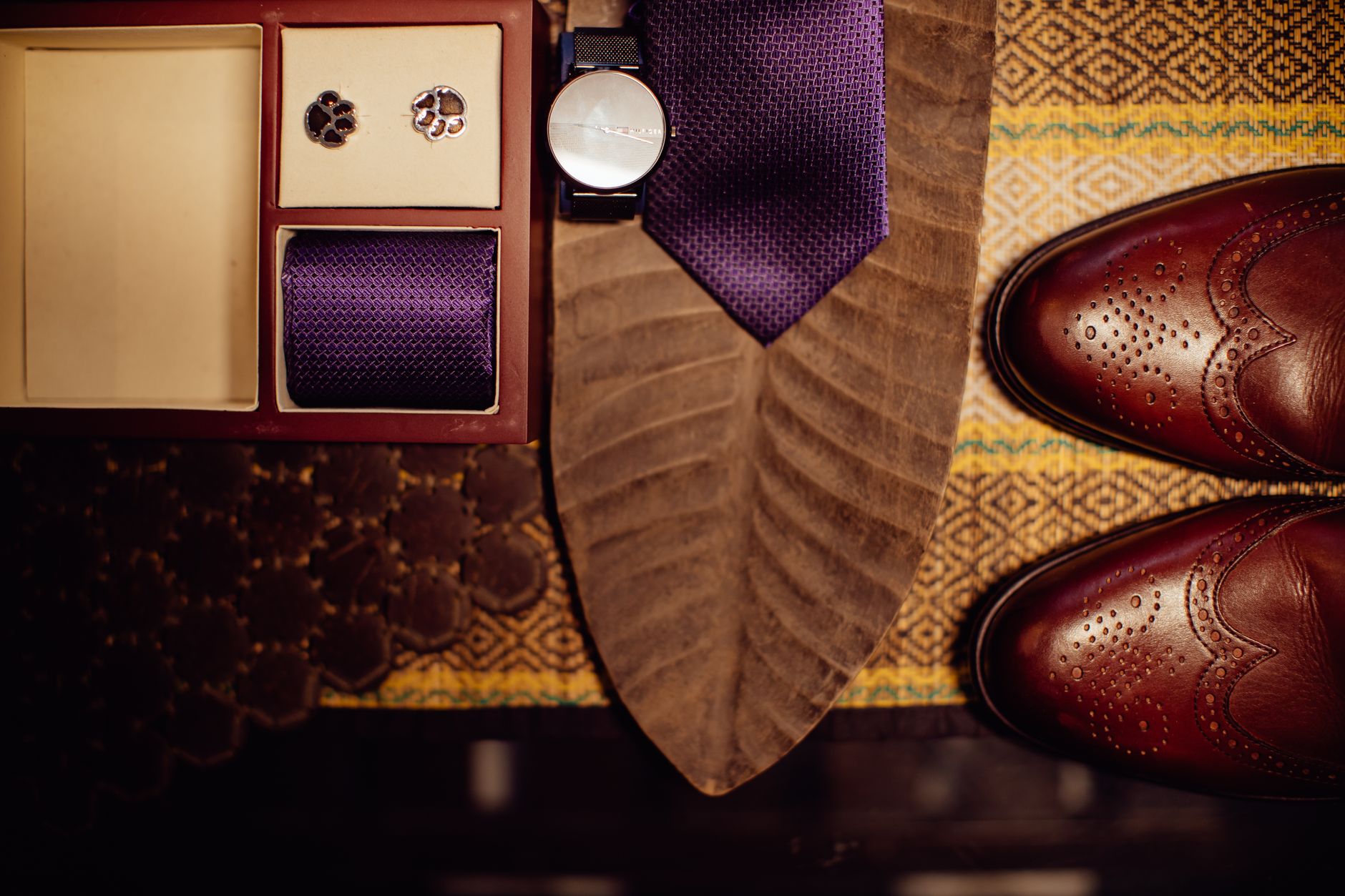
The distinction between the person who is noticed and the person who blends in at a specific level of professional aspiration is not conformity — conformity is the minimum requirement. It is intentionality: the visible evidence that choices were made deliberately, with knowledge, and were executed without apparent effort. A suit in a room of suits communicates intentionality through fit, cloth quality, and the specific choices that distinguish investment from adequacy. A deliberate departure from the visible norm — wearing something that is categorically different from the room's default — also communicates intentionality, provided it is executed with the precision that makes the departure legible as a choice rather than an error.
The specific items that communicate intentionality most reliably in 2026 are material quality and fit, in that order. A simply cut garment in an exceptional fabric that fits correctly makes a more effective statement in most professional contexts than a complex garment in mediocre fabric that does not fit. This is not a new insight — it is the permanent reality of quality-based dressing — but it runs against the instinct to add complexity and visible signals as a substitute for the harder work of finding quality in fundamentals.
Practical Implementation: Getting There From Here
The gap between current presentation and target presentation should be closed gradually and with intention rather than through wholesale replacement. A complete wardrobe replacement is not necessary — and in most cases not advisable — because the new items will not yet reflect the wearer's settled judgment about what works for their specific body, lifestyle, and professional context. The more productive approach is systematic upgrading: as individual items need replacement or as budget allows targeted additions, replace them with better versions at the quality level that reflects the room you are targeting rather than the room you currently occupy.
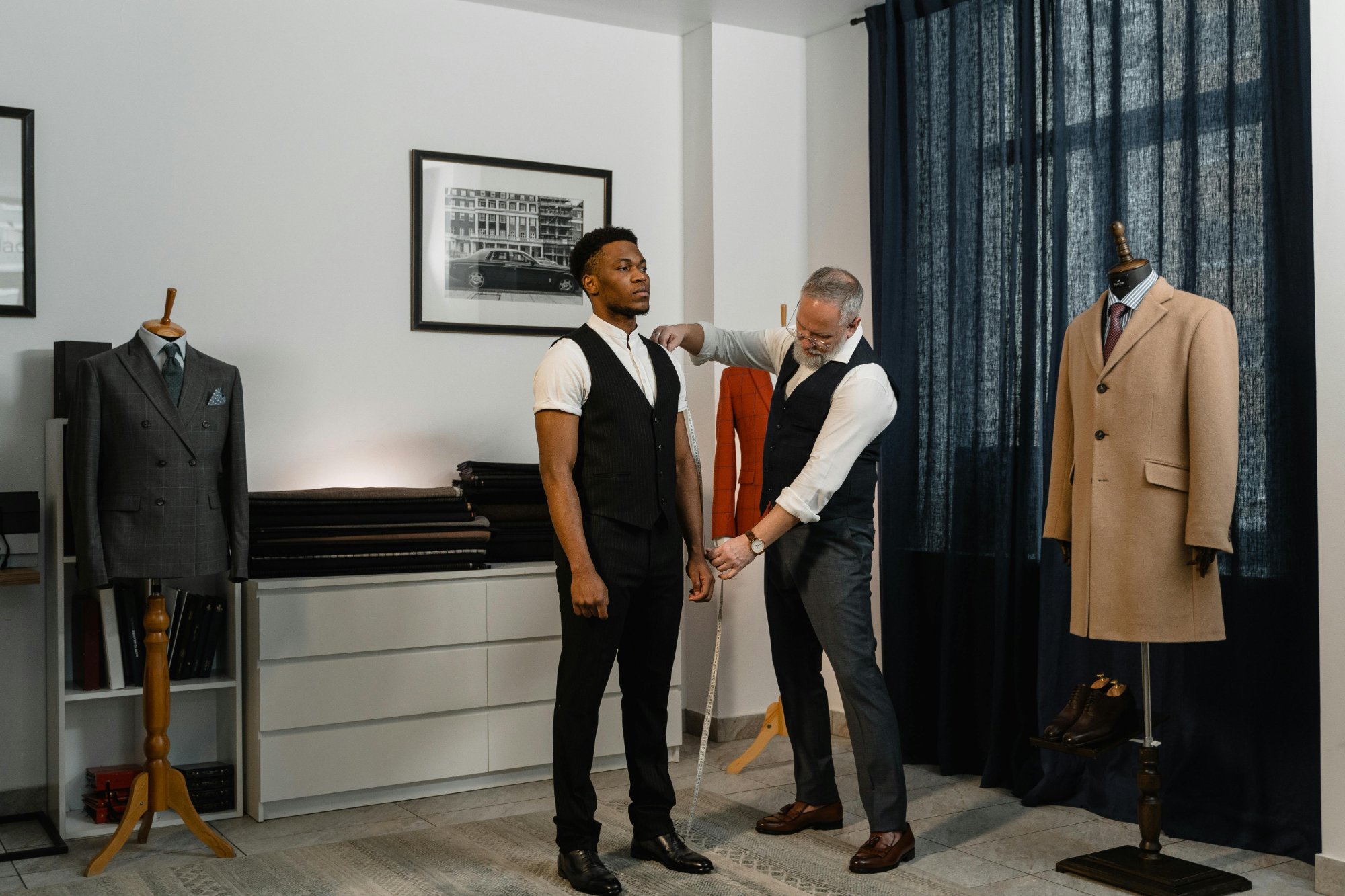
The highest-leverage interventions available to most professionals are not the most expensive. Fit — the alteration of existing or new clothing to the specific wearer's body — is the single most effective change available and typically costs £20–£60 per piece at a competent independent tailor. Grooming — the baseline of hair care, skin care, and personal presentation that precedes clothing in the room's reading of a person — is a prerequisite that is frequently neglected relative to its importance. Shoe quality and maintenance, as detailed elsewhere in this publication, are highly visible to the relevant audience and are among the most effective available signals of the quality of attention a person brings to their presentation. The professional who has optimised their wardrobe while neglecting grooming and shoe maintenance has misallocated their attention.
Sources: Adam Galinsky et al., "Enclothed Cognition," Journal of Consumer Research (2012); Journal of Experimental Social Psychology research on appearance and professional perception; Hajo Adam and Adam Galinsky, research on formal attire and negotiation performance. This article is editorial commentary only.