'%3ECASH%3C/text%3E%3C/svg%3E)

















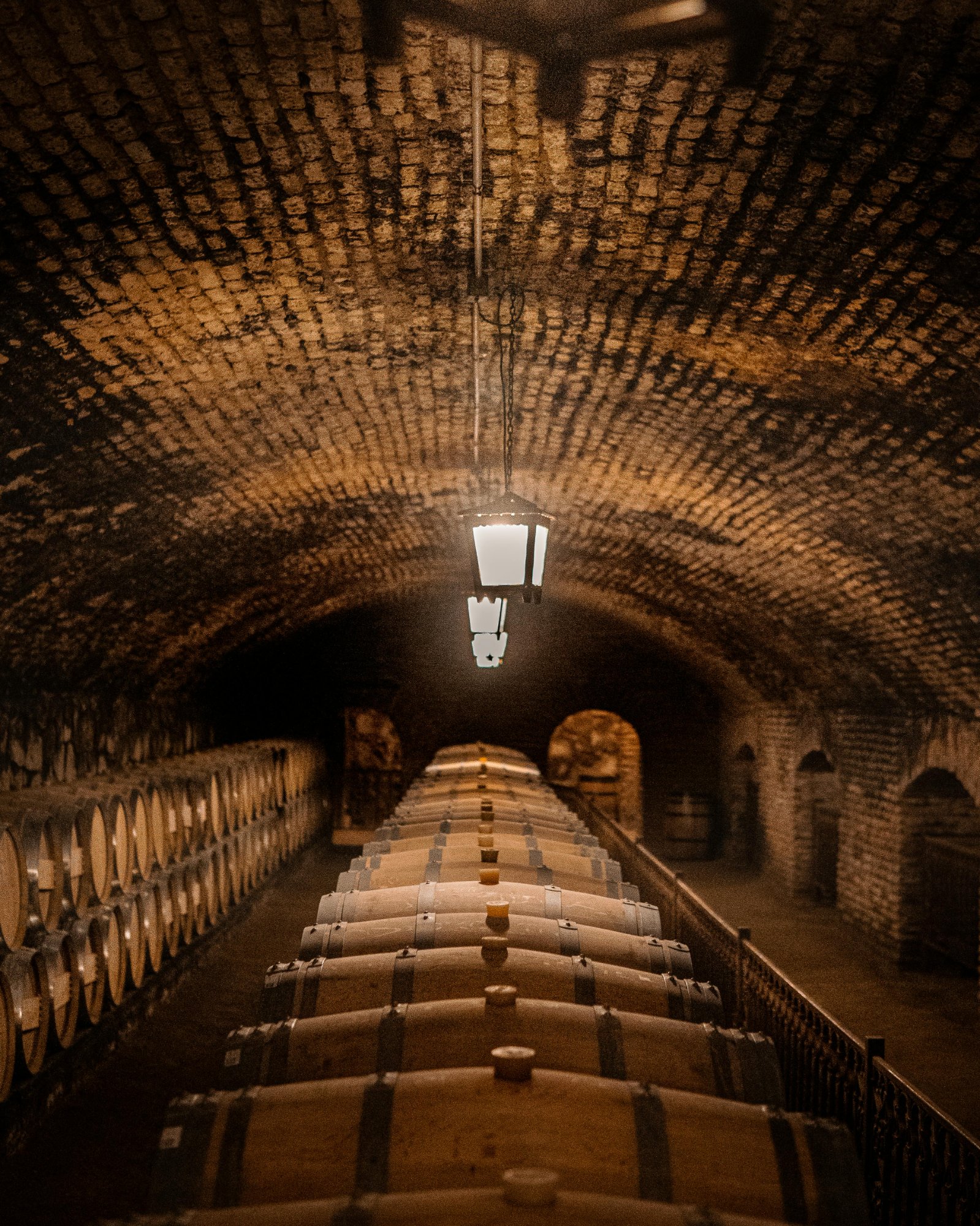
Fine wine has been traded as a financial asset since at least the 18th century, when London merchants began issuing "cellar notes" that functioned as transferable instruments for Bordeaux futures — a practice that is recognisable as an early form of commodity trading applied to a consumable asset. The modern investment case rests on different mechanics, but the underlying logic is unchanged: the finest wines are produced in finite quantities, their supply diminishes as bottles are consumed, global demand for the most prestigious examples grows faster than supply can expand, and the market has developed sufficient liquidity to provide realisation opportunities without the illiquidity discount that afflicts most physical collectibles. What has changed is the quality of market data available to serious investors and the range of entry points accessible below the allocation thresholds that previously excluded all but the best-connected buyers.
Why Fine Wine Has Investment Value

The investment case rests on three supply dynamics that do not apply to most asset classes. First, production is fixed at the point of harvest: the number of bottles of any specific vintage cannot be increased after the wine has been made. Second, available supply diminishes continuously as bottles are consumed — a process that is irreversible and tightens supply of older vintages permanently over time. Third, quality typically improves with age for the finest examples, within limits that vary by wine and vintage, meaning that the most sought-after bottles are simultaneously rarest and, within their drinking window, most desirable the longer they have been appropriately stored.
According to Liv-ex, the London International Vintners Exchange — which has tracked fine wine secondary market transactions since 1999 and whose indices are regarded as the industry's primary benchmarks — the global fine wine secondary market has a total annual transaction value of approximately $5 billion. Knight Frank's 2025 Wealth Report identifies fine wine as the fourth most popular collectible investment category among ultra-high-net-worth individuals globally, with 18 percent of surveyed UHNWIs holding wine as part of an investment portfolio.
The Liv-ex Index and How Wine Is Priced
Liv-ex operates three primary indices, each widely used as reference points in the investment wine trade. The Liv-ex Fine Wine 50 tracks the daily price movements of the five Bordeaux First Growths — Châteaux Lafite Rothschild, Margaux, Mouton Rothschild, Haut-Brion, and Latour — across their ten most recently available physical vintages. The Liv-ex Fine Wine 100 is the industry's primary benchmark, representing the price movements of 100 of the most traded fine wines across regions on a monthly basis. The Liv-ex Fine Wine 1000, the broadest measure, covers 1,000 wines across seven regional sub-indices: the Bordeaux 500, Burgundy 150, Champagne 50, Rhône 100, Italy 100, Rest of World 60, and Bordeaux Legends 40.
Long-term performance has been strong relative to many asset classes, though with significant cyclical variation. According to Cult Wines' analysis of Liv-ex data (published July 2024), the Liv-ex Investables Index — which focuses on older Bordeaux vintages — has returned 2,050 percent since inception in 1988. The Liv-ex 100 has grown 272.5 percent and the Liv-ex 1000 by 288.3 percent since January 2004. A blended portfolio representing the Liv-ex 1000's regional weighting delivered average annualised returns of 8.76 percent across every five-year period measured between 2004 and 2024, per Cult Wines' analysis, with the best five-year period returning 15.94 percent compounded and the worst returning 1.43 percent compounded. The market has undergone a significant correction since its peak in September 2022: the Liv-ex 1000 was down approximately 23 percent from that peak as of mid-2025, per Trading Grapes' analysis of Liv-ex Classification data. The market began showing signs of stabilisation in late 2025, with selective demand returning from Asia and the United States.
En Primeur: Buying Futures
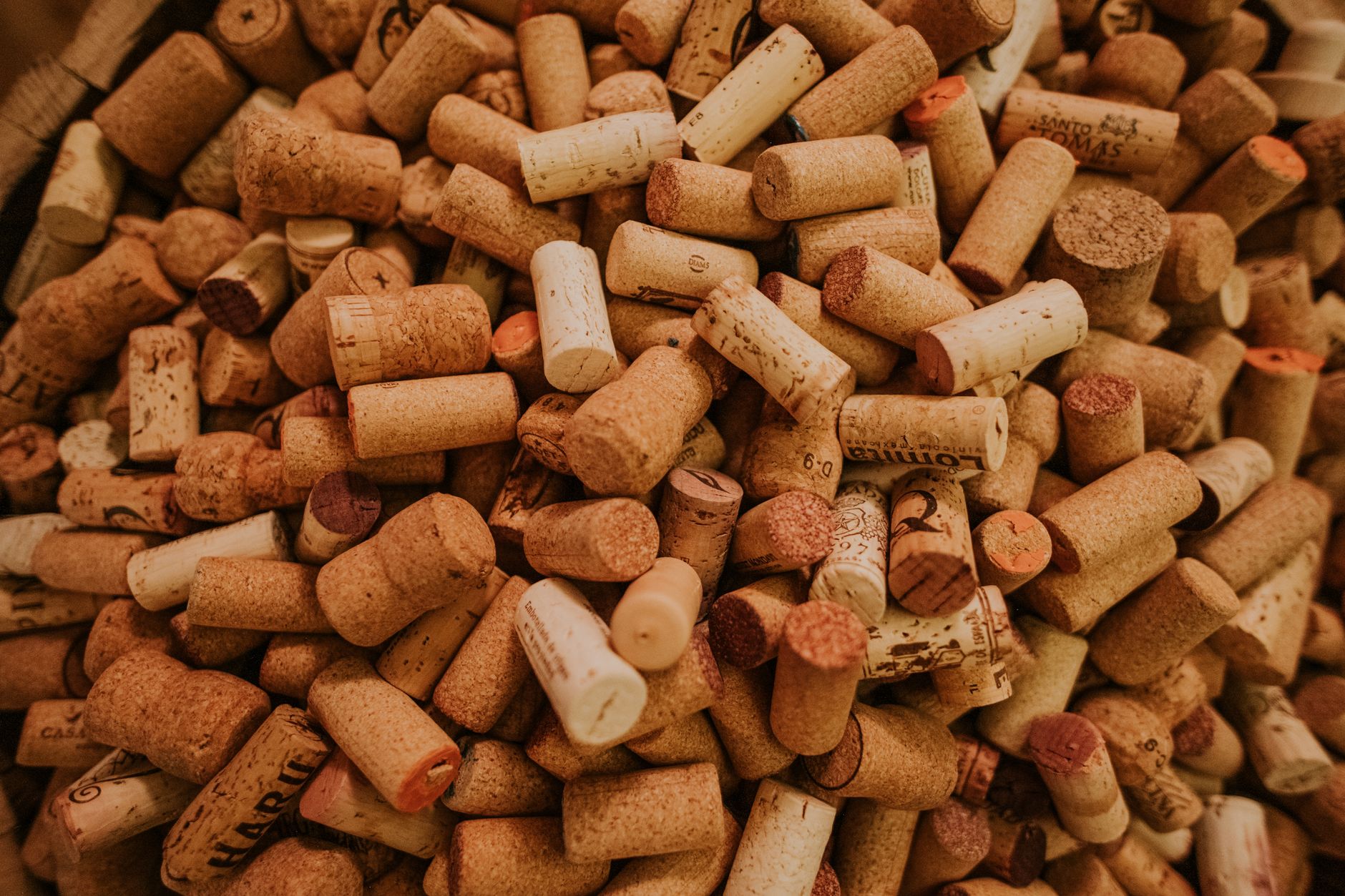
En primeur is the Bordeaux system of selling wine futures before bottling — typically 18–24 months before the wine is available for physical delivery — at prices that should reflect the cost of capital and the risk of forward commitment relative to the eventual physical market price. The system offers access at pre-release prices that, in strong vintage years with disciplined release pricing, represent compelling value relative to subsequent secondary market prices. The 2022 Bordeaux vintage was widely regarded as exceptional; the 2024 Bordeaux en primeur campaign, by contrast, was met with weak demand driven by oversupply and collector preference for mature vintages already available in the secondary market, per WineCap's Q2 2025 Fine Wine Report. En primeur participation requires confidence in both vintage quality and the integrity of the négociant relationship through which futures are purchased — established wine merchants with longstanding relationships to first-growth châteaux are the appropriate channel, and commission structures typically run 5–12 percent on the purchase price.
Storage: The Non-Negotiable
Fine wine's investment value is entirely contingent on documented provenance — storage at correct temperature (12–14°C), correct humidity (70–80 percent), away from light, vibration, and temperature fluctuation, in a bonded warehouse. In the United Kingdom, bonded storage means the wine remains under customs control, with duty and VAT deferred until the wine is withdrawn from bond for consumption. This allows fine wine to be traded multiple times — and for investment portfolios to be built and managed — without triggering a duty or VAT liability at each transaction. London remains the world's primary hub for investment-grade wine storage, with specialist bonded facilities including Octavian, London City Bond, and Vinotheque maintaining the provenance chains that major auction houses including Christie's, Sotheby's, and Hart Davis Hart require before offering wine for sale.
Beyond Bordeaux: Burgundy, Champagne, and New World Investment Wines

Burgundy's investment case rests on genuinely extreme scarcity combined with growing global demand. Domaine de la Romanée-Conti (DRC) produces approximately 7,000–8,000 cases annually across its entire portfolio — a volume that is orders of magnitude smaller than equivalent-quality Bordeaux first growth production. The most coveted single-vineyard wines from DRC — La Tâche, Romanée-Conti, Richebourg — produce fewer than 1,800 cases per vintage. According to Cru Wine's analysis of Liv-ex data (published March 2025), Burgundy wines from top domaines have appreciated over 200 percent in the past decade. The 2025 Liv-ex Classification — which ranks wines by trading price on Liv-ex using actual transaction data — found DRC maintaining its First Tier position through the broader market correction, reflecting the resilience of genuinely irreplaceable supply.
Champagne's investment case is more recent but gaining credibility. In 2024, 80 percent of Liv-ex trade value came from just 2 percent of wines — a concentration that skews heavily toward prestige cuvées including Dom Pérignon, Krug Vintage, and Cristal. WineCap's Q2 2025 Fine Wine Report noted Champagne's share of Liv-ex market value reaching 12.4 percent in the first half of 2025, up from an annual 2024 average of 11.8 percent, with Dom Pérignon's sub-index among the first to stabilise and show recovery following the broader market correction.
Getting Started: Practical Allocation Framework
Industry practitioners typically recommend a minimum portfolio of £50,000–£100,000 to achieve meaningful diversification across vintages, regions, and producers — below which concentration risk means the portfolio's performance is driven by the condition of individual bottles rather than by market dynamics. Specialist investment wine platforms including Cult Wines, WineCap, and Bordeaux Index offer managed wine investment services with varying fee structures, minimum investment thresholds, and underlying portfolio construction approaches. Physical purchase through a reputable merchant with bonded storage from day one of ownership is the fundamental structural requirement — wine that has at any point left documented bonded storage is valued significantly lower by serious buyers and is generally not accepted by major auction houses without independent provenance verification.
Fine wine investment, like all alternative assets, rewards patience and punishes speculation. Those who bought Bordeaux en primeur in 2015 — widely regarded as good vintage and fair release pricing — and held through the 2022 speculative peak and subsequent correction have experienced returns that validate the asset class. Those who bought at peak 2022 prices are still waiting for the market to confirm whether they will.
Sources: Liv-ex Fine Wine 100, 1000, and Investables Index data; Cult Wines: Evaluating the Investment Performance of Fine Wine (July 2024); WineCap: Q2 2025 Fine Wine Report; Cult Wines: Fine Wine in 2025: Repricing, Liquidity and Clearer 2026 (December 2025); Trading Grapes: Is the Fine Wine Market at a Turning Point? (2025); Trading Grapes: 2025 Liv-ex Classification Explained; Cru Wine: The Historical ROI of Wine Investments (March 2025); Knight Frank Wealth Report 2025. This article is editorial commentary and does not constitute financial or investment advice. Fine wine investment carries significant risks including illiquidity, storage costs, provenance risk, and the possibility of total loss of invested capital. Past performance is not indicative of future results. Readers should seek independent advice before making any investment decisions.