'%3ECASH%3C/text%3E%3C/svg%3E)


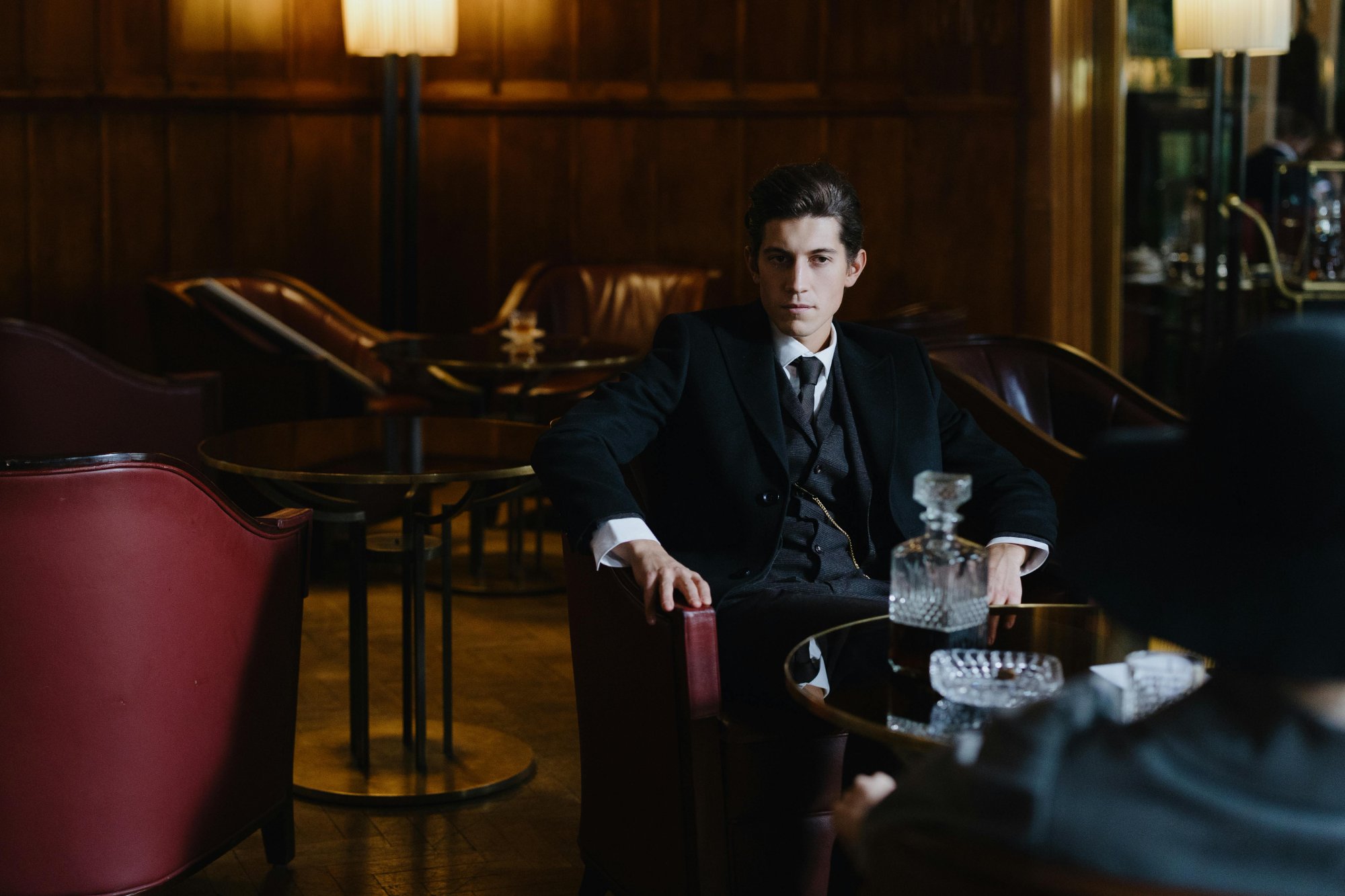





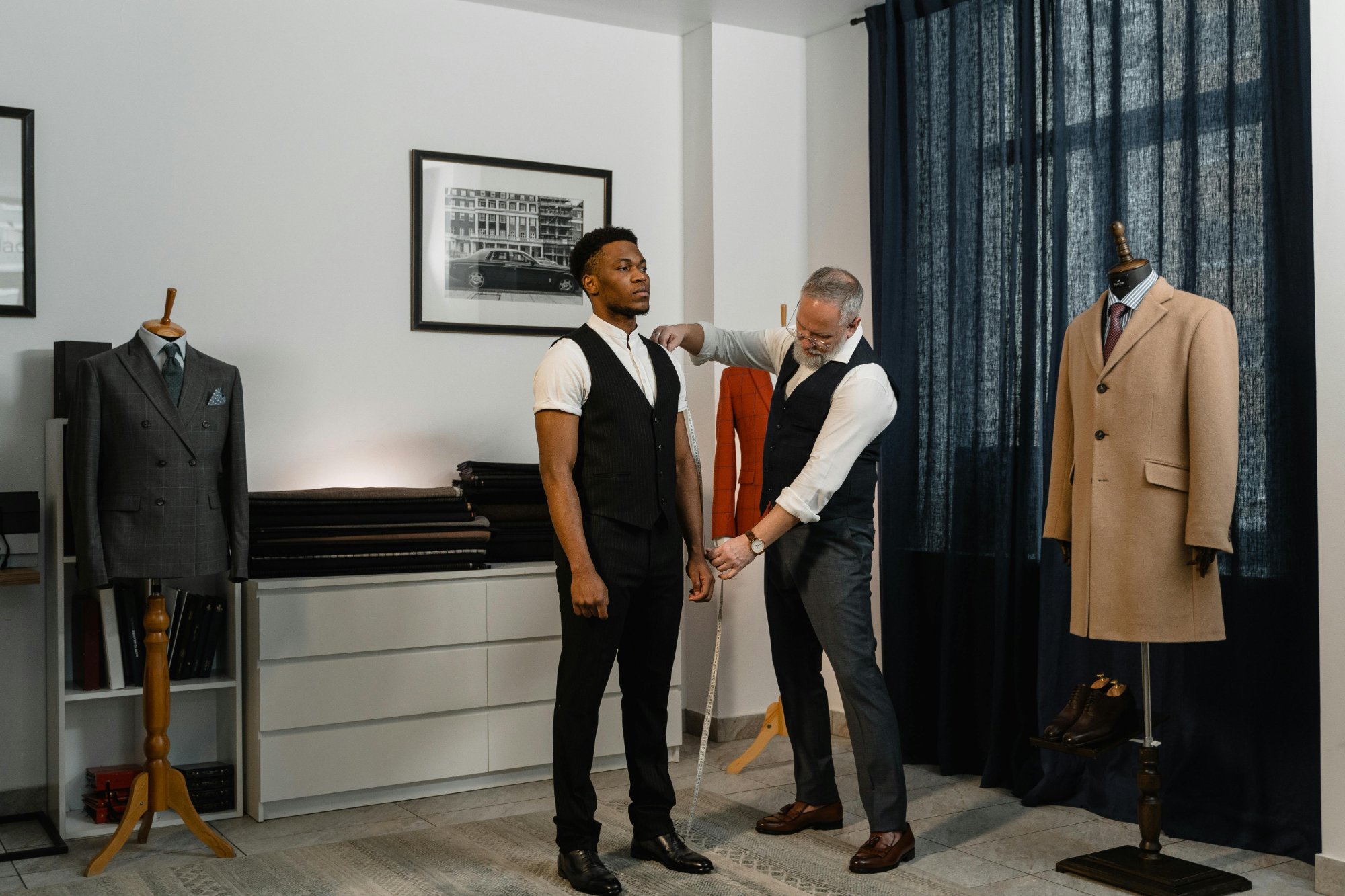
The word "bespoke" has been appropriated so extensively by mid-market retailers that its original meaning has been obscured for many buyers. In its traditional usage — as defined by the Savile Row Bespoke Association — bespoke refers to a garment cut from an individual pattern made specifically for the client's measurements, constructed by the tailor who took those measurements, and finished with a significant proportion of hand-stitching at each stage. A Savile Row bespoke commission involves 50–80 hours of total labor, typically three to four fittings over four to six months, and a relationship between cutter and client that deepens with each successive commission as the pattern is refined. This is categorically different from "made-to-measure" — a standard block pattern adjusted to measurements — and from "custom" — a marketing term with no standard definition applied to anything from genuine bespoke to adjustments on a pre-existing garment.
The Traditional Bespoke Centres

Savile Row in London's Mayfair district has been the global centre of bespoke suit making since the 18th century. The Row's historic houses — Henry Poole & Co. (established 1806), Dege & Skinner (established 1865), Huntsman (established 1849), and Anderson & Sheppard (founded 1906) — represent the continuous tradition of English tailoring, each with a distinct aesthetic: Huntsman is known for its strong-shouldered, dramatic silhouette; Anderson & Sheppard for a softer, more draped construction; Dege & Skinner for military and formal precision. Entry-level commissions begin at £4,500–£5,000 for a single-breasted two-piece suit, with prices reflecting the specific house and complexity. The first commission — which requires a new pattern — is the most expensive; subsequent commissions on the same client's existing pattern are typically 15–25 percent less. Naples, Italy, is the second great centre, with an aesthetic distinct from the English tradition: softer canvassing, a lighter and more draped silhouette, minimal padding, and a visual elegance that reflects Neapolitan cultural emphasis on effortless style. The great Neapolitan houses — Rubinacci (established 1932), Vincenzo Attolini, and numerous smaller houses near the Riviera di Chiaia — produce work at comparable standard to Savile Row at roughly equivalent prices, with a house style that suits the informal luxury aesthetic of the current moment more naturally.
The Fitting Process
A typical Savile Row commission proceeds through three to four fittings over four to six months. The first fitting is on the "baste" — a rough assembly of cut cloth, stitched with long basting stitches allowing easy adjustment, worn over a shirt and trousers so the cutter can assess silhouette, balance, and fit. The second fitting is on the "forward" — a more finished assembly showing internal construction and allowing finer adjustments to collar, lapel, and jacket balance. The final fitting on the finished garment confirms all adjustments have been correctly executed. For clients based outside London or Naples, extended travel can sometimes be consolidated into a 24–48 hour visit, an arrangement houses accustomed to international clients will accommodate. The relationship with a bespoke tailor is built over commissions and years. The first suit from any maker is typically the least representative of what the maker can achieve — the pattern is new, preferences are being established. The best work comes in the third, fifth, or tenth commission, when the cutter has a fully refined pattern and a detailed understanding of the client's preferences.
Beyond Suits: Shirts and the Full Bespoke Wardrobe
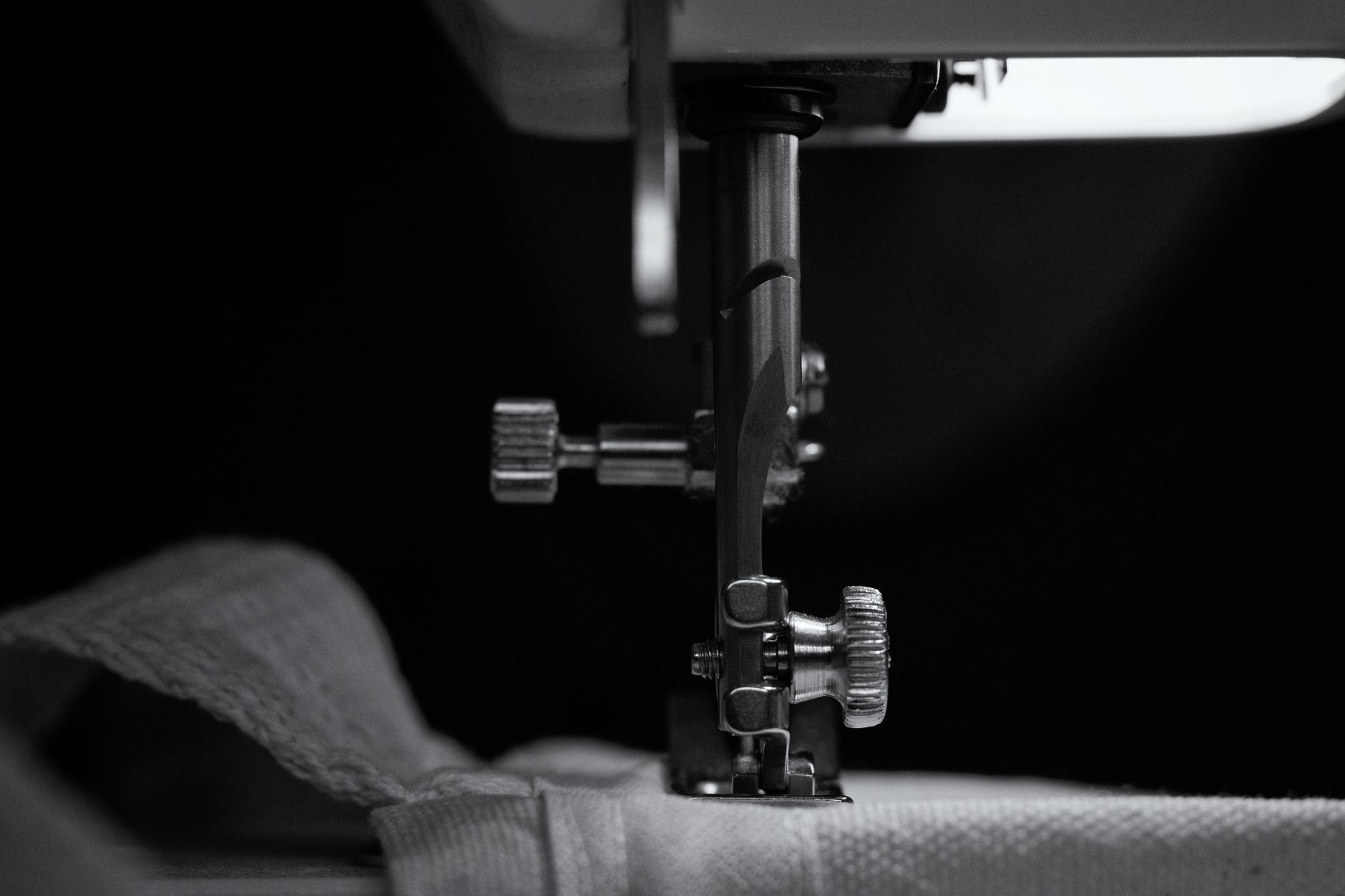
Bespoke is available beyond suits. The most accessible and cost-effective bespoke investment for most buyers is a bespoke shirt — handmade on an individual pattern with the collar and cuff specifications the client requires — at Turnbull & Asser (established 1885, St. James's Street, London), Charvet (established 1838, Place Vendôme, Paris — widely regarded as the finest shirtmaker in the world), or Thomas Mason's custom program. Bespoke shirts from these makers typically cost £350–£600 for the first commission (which includes pattern creation), with subsequent shirts at £200–£400. The difference between a bespoke shirt and the best off-the-peg shirt is not visible on the hanger — it is experienced in the collar that sits correctly without gaps, the sleeve length that works with or without a jacket, and the body that moves with the wearer rather than resisting them.
Sources: Savile Row Bespoke Association membership and standards documentation; Henry Poole (established 1806), Huntsman (established 1849), Dege & Skinner (established 1865), Anderson & Sheppard (founded 1906), Rubinacci (established 1932) company histories and published pricing; Charvet published shirtmaking information (established 1838); Turnbull & Asser company history (established 1885). This article is editorial commentary only. Pricing subject to change and should be confirmed directly with each maker.