


'%3ECASH%3C/text%3E%3C/svg%3E)





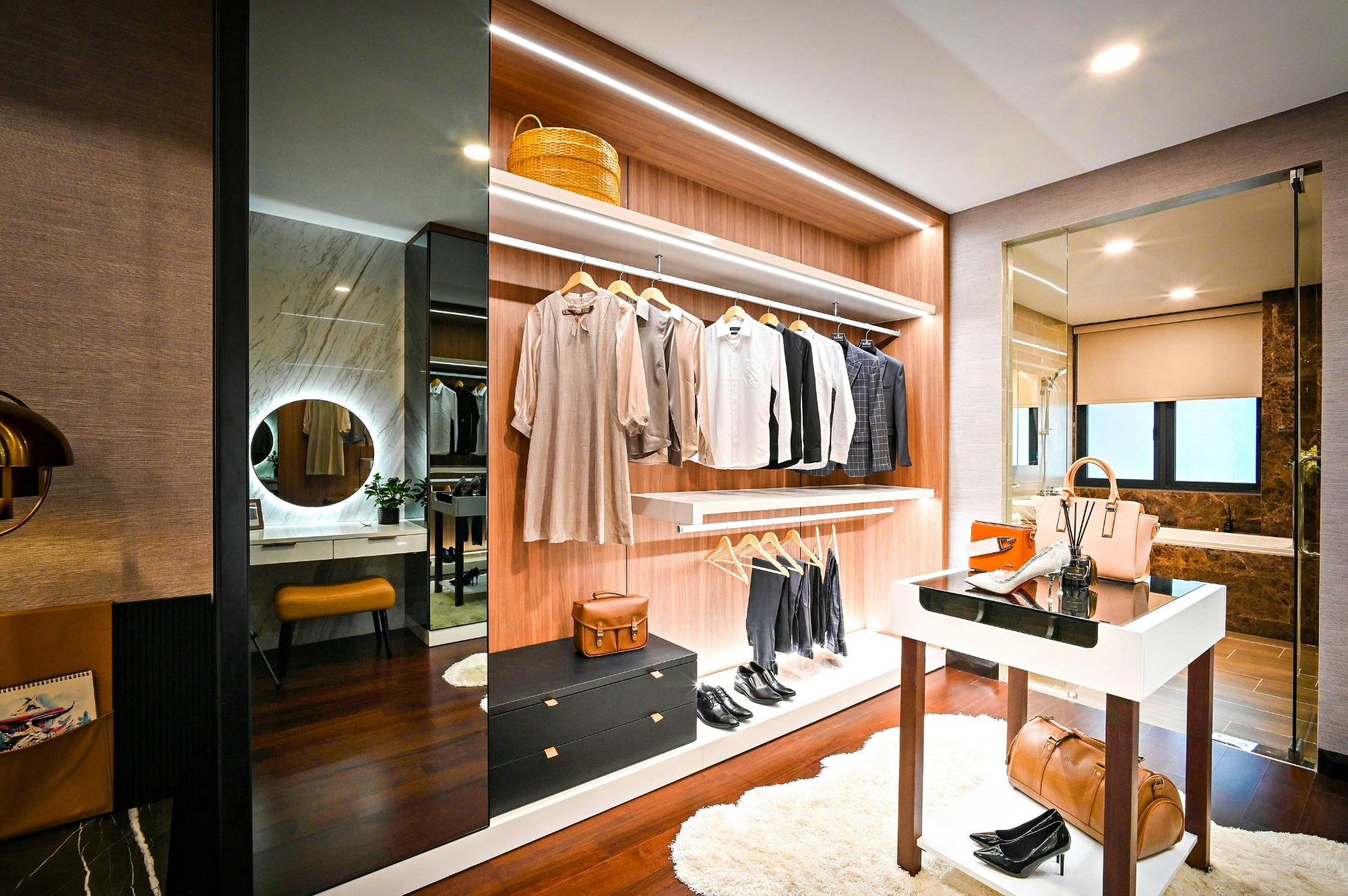









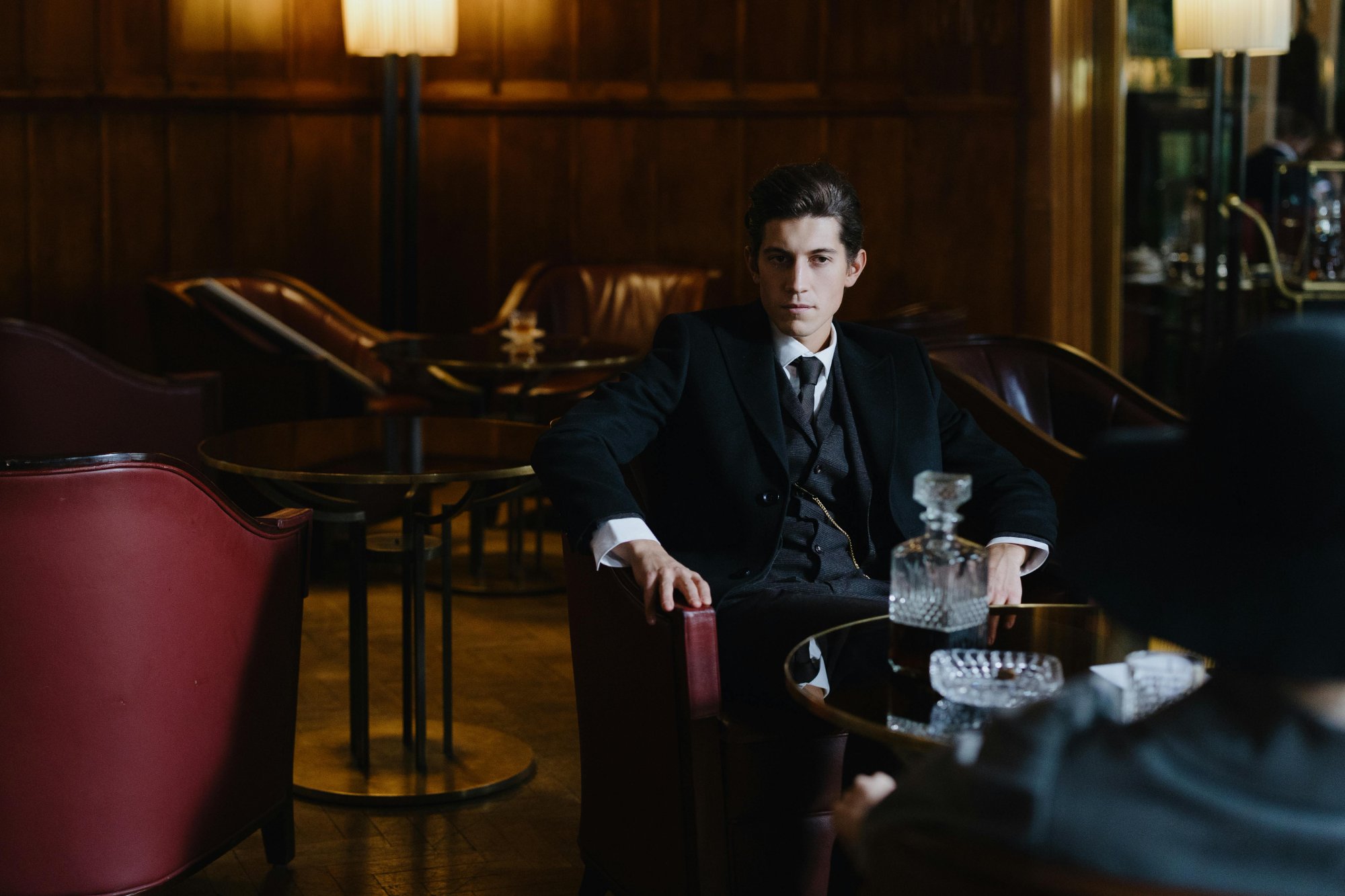








The shift in how ambitious people dress is structural, not cyclical. The decade between 2010 and 2020 moved the casual-to-formal dial decisively toward casual across finance, law, consulting, and technology. The pandemic accelerated the move, eliminating the social reinforcement of office dress codes for 18 months. The pendulum has not swung back — but it has not stopped, either. What has replaced the old formal/casual binary is something more precise and more demanding: a standard that requires genuine quality, fit, and intentionality, with no tolerance for either performative formality or deliberate casualness. The uniform of ambition in 2026 is not a suit. It is not a hoodie. It is whatever communicates that the wearer has thought carefully about the signal they are sending and executed it without apparent effort.
Why Craft Has Replaced Brand
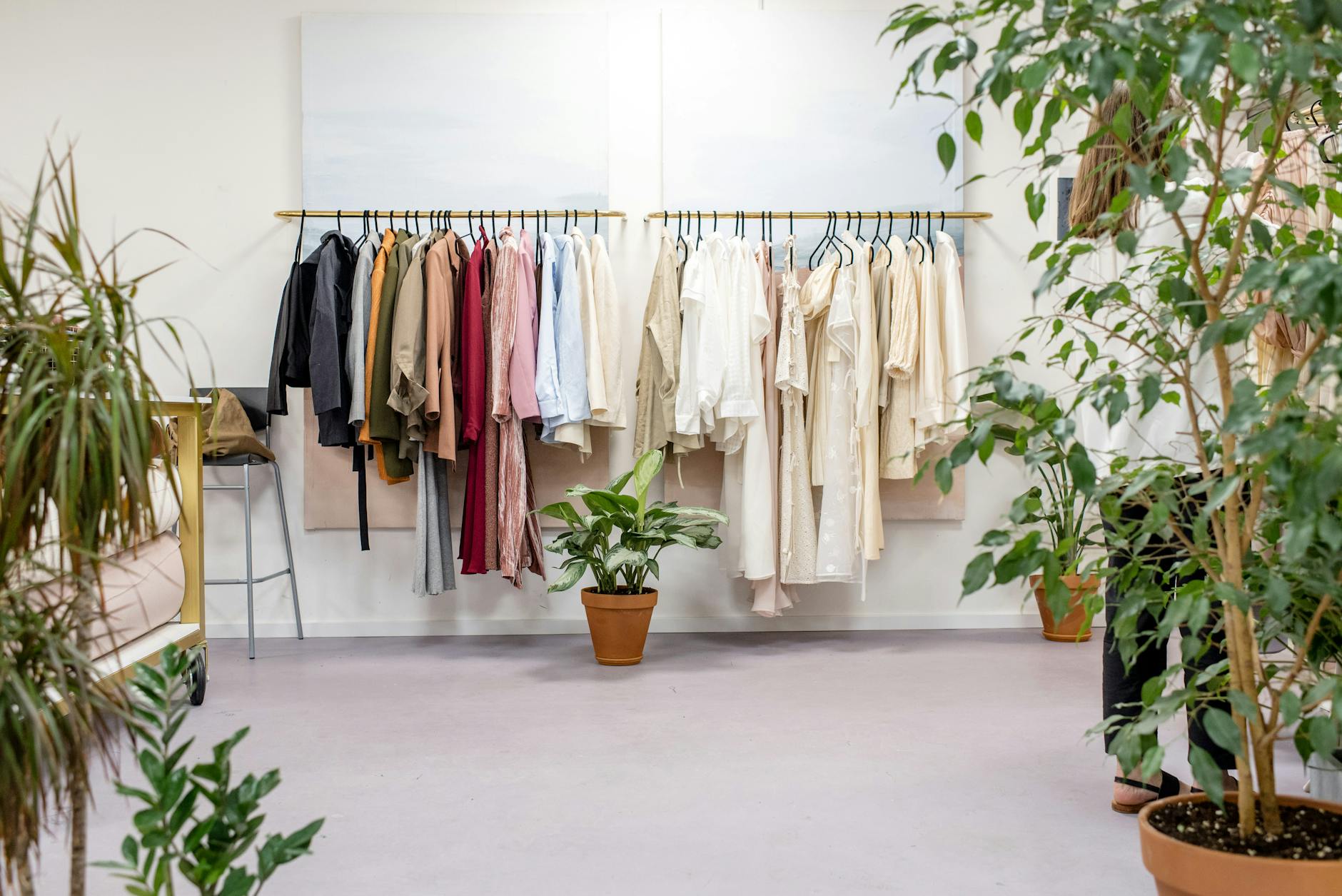
The global luxury fashion market was valued at approximately €1.5 trillion in 2023, according to Bain & Company's Annual Luxury Study published with Altagamma, the Italian luxury goods association — the most comprehensive annual survey of the sector. Within personal luxury goods, the fastest-growing segment in the three years to 2024 was what the industry categorises as "quiet luxury" — investment pieces without visible branding, defined by material quality, construction, and fit rather than logo display. Brands including Loro Piana (owned by LVMH), Brunello Cucinelli, and Ermenegildo Zegna reported consistent double-digit revenue growth during this period as buyers migrated toward the category.
The shift reflects a specific signal economy change. In an environment where luxury goods are more broadly accessible than at any previous point in history — through resale markets, diffusion lines, and aspirational pricing — the visible logo has become a signal of aspiration rather than arrival. The buyer who has genuinely arrived is more likely to wear unbranded cashmere from Johnstons of Elgin or a bespoke shirt without external identification than a piece whose value is legible to anyone at 20 metres. This is not a moral observation. It is an empirical one about how signalling functions among the audience that matters to the professionally ambitious.
The Suit: How to Buy One That Lasts
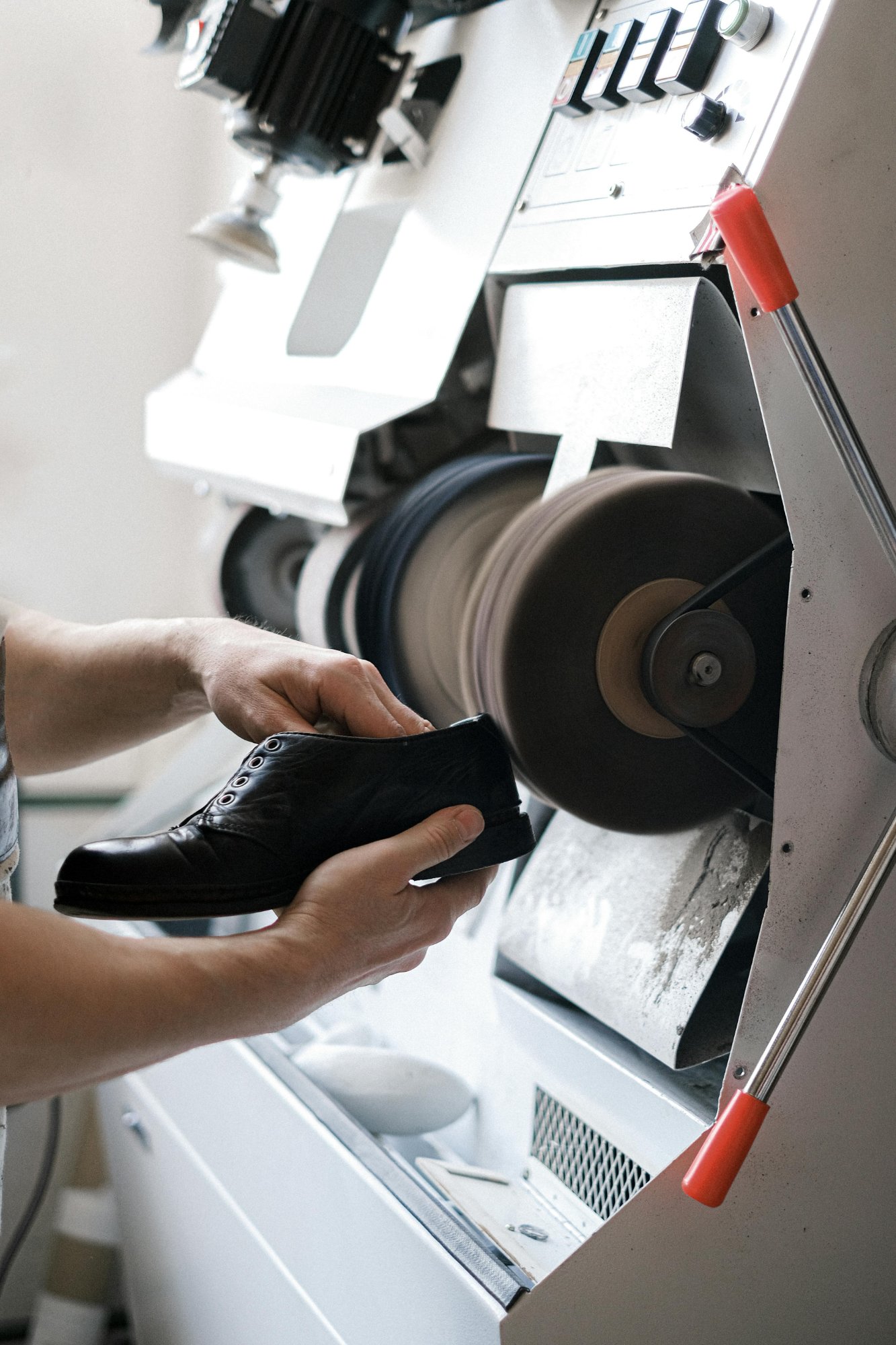
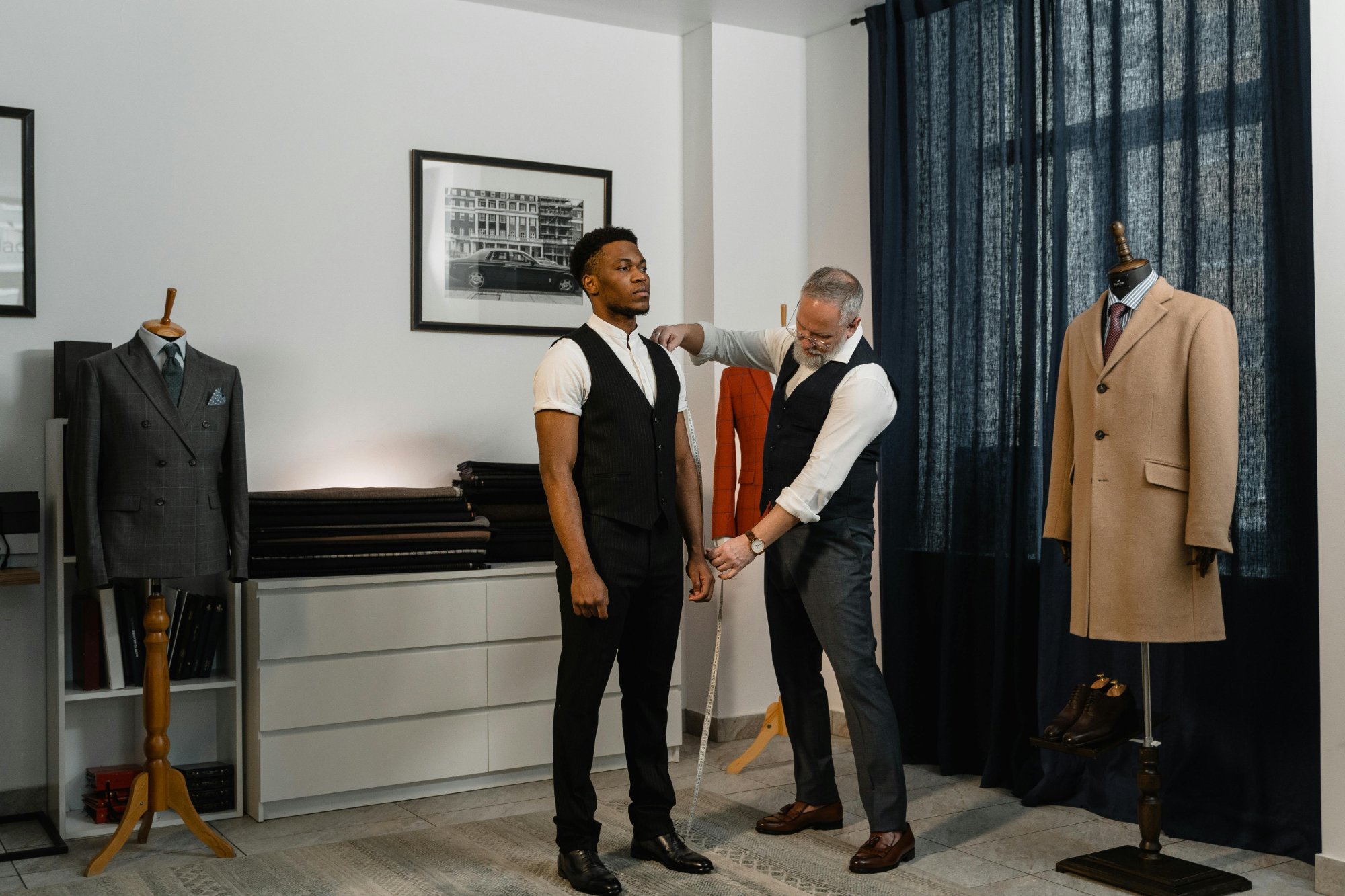
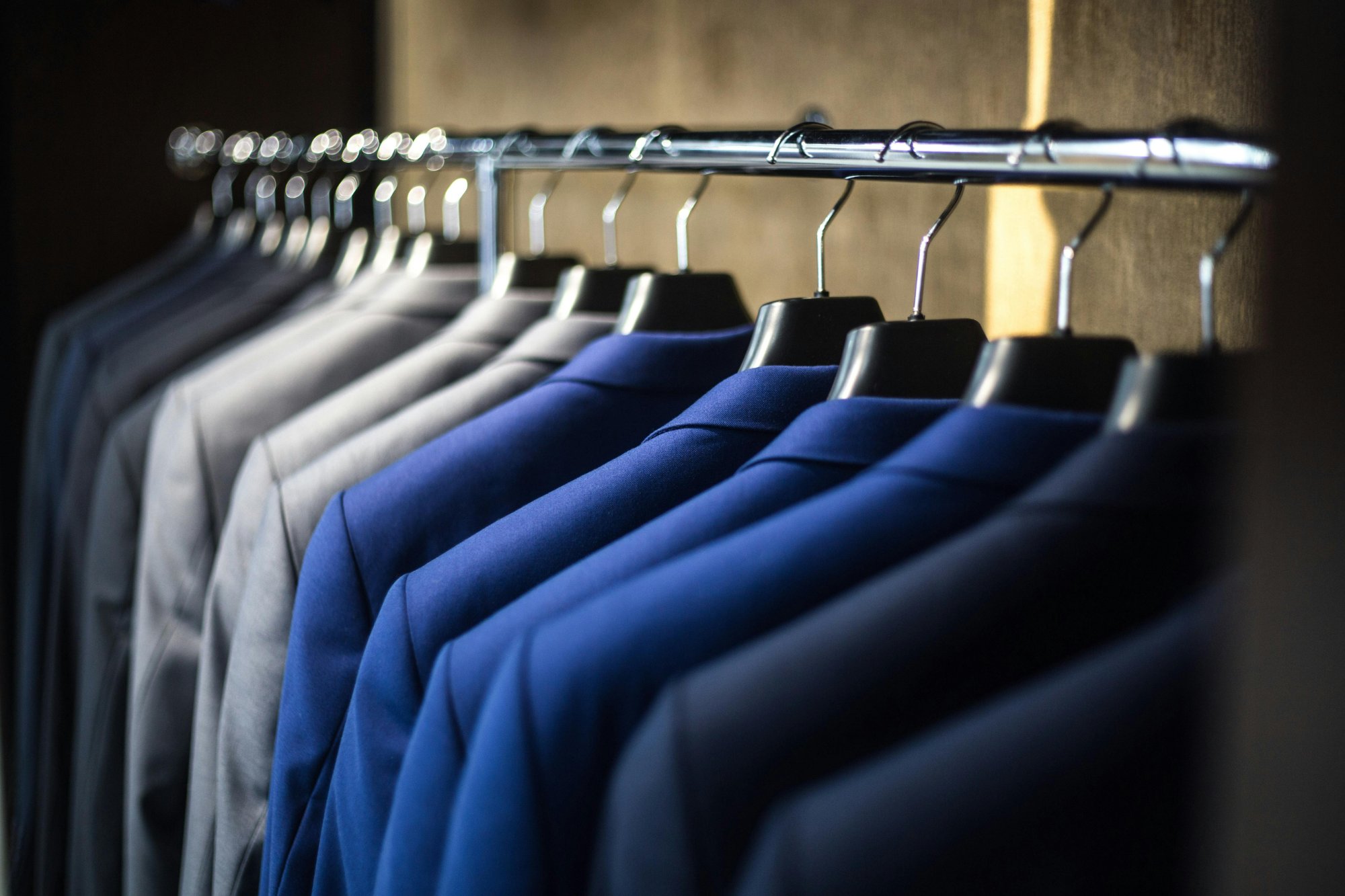
A well-made suit from a quality manufacturer — not a luxury brand, but a maker who focuses on construction — will serve for 15–20 years if properly maintained. The key distinction is between a fully canvassed suit and a fused suit. In a fully canvassed suit, a woven canvas runs through the chest and lapels, stitched to the fabric only at the edges — it will mould to the wearer's body over time and recover from compression. In a fused suit, the chest structure is created by an adhesive layer that bonds the interlining to the fabric. Fused suits will de-laminate — producing the characteristic bubbling in the chest area visible on most high-street and many department-store suits — within five to ten years of regular use.
Savile Row — the London street that has housed bespoke tailors since the 18th century — remains the global reference for bespoke suit making. A Savile Row bespoke commission from an established house requires 50–80 hours of handwork and costs £4,000–£8,000 for an entry commission. Made-to-measure from a quality Italian or British manufacturer — Neapolitan makers including Stile Latino, Rubinacci, and Cesare Attolini; or London makers including Henry Poole or Dege & Skinner — provides approximately 80 percent of the fit advantage at 30–40 percent of the cost. For buyers choosing ready-to-wear, the investment is in finding the brand whose block fits closest to your body and investing in alteration — a process that typically costs £60–£150 at a competent independent tailor and transforms the appearance of the garment.
Knitwear: The Category That Defines the Moment

A high-quality cashmere crewneck in navy, camel, or mid-grey — worn over a collared shirt — is appropriate across the widest range of professional contexts of any single garment in the modern wardrobe. The quality range is extreme. Mongolian two-ply cashmere from Scottish mills including Johnstons of Elgin, which has woven cashmere in Elgin, Scotland, since 1797, or from Loro Piana, which sources its fibres from Inner Mongolia and processes them in the Piedmont region of Italy, produces a fabric that will last decades with correct care: hand washing in cool water, flat drying, and storage in cedar or with lavender sachets to deter moth damage.
"Cashmere" from fast-fashion sources typically uses shorter fibres from lower-grade fleece that pills within months of regular wear and loses its structure within a year. A quality cashmere crewneck costs £250–£600 from a reputable source. It will last 20 years. The arithmetic strongly favors the quality purchase over three or four replacements of inferior product over the same period.
The Three Investment Categories
The wardrobe of the ambitious professional in 2026 resolves into three investment categories. The first is construction: pieces where the making standard determines the longevity — suits, overcoats, shoes. These require genuine investment in construction quality (not luxury brand purchase) and reward it with decades of service. The second is material: pieces where fabric quality determines both the feel and the longevity — knitwear, shirts, trousers. These require less investment but reward attention to fibre quality and weight. The third is fit: every piece, regardless of its quality or price, requires correct fit to function as intended. A £200 shirt that fits correctly outperforms a £600 shirt that does not on every measure that matters in a professional context.
The goal is not a large wardrobe — it is a precise one. Edit out rather than add in. The professional who arrives in a room wearing three pieces of genuine quality, correctly fitted, is making a more effective statement than the one wearing twelve pieces of average quality regardless of the price tags attached to them.
Sources: Bain & Company / Altagamma Annual Luxury Study 2023; Johnstons of Elgin company history (established Elgin, Scotland, 1797); Loro Piana sourcing and manufacturing documentation; Savile Row Bespoke Association member information and pricing guidance; LVMH 2023 Annual Report (Loro Piana acquisition and performance). This article is editorial commentary only. Specific pricing and product availability are subject to change.