'%3ECASH%3C/text%3E%3C/svg%3E)











In November 2025, a stainless steel Patek Philippe Perpetual Calendar Chronograph reference 1518 — manufactured in 1943, one of only four known examples in steel — sold at Phillips' Decade One auction in Geneva for CHF 14,190,000, approximately $17.6 million. It was the most expensive vintage Patek Philippe wristwatch ever sold at auction, surpassing the CHF 11,002,000 the same watch achieved when Phillips sold it in 2016. The auction itself — 207 lots, 100 percent sell-through rate, CHF 66.8 million total — became the highest-grossing watch auction in history, attracting 1,886 registered bidders from 72 countries. Phillips' annual watch auction total for 2025 reached $370 million — the highest annual total ever achieved in the history of watch auctions, according to Phillips' year-end statement.
For the serious collector evaluating vintage watches as an asset class, these results require careful interpretation. They represent the very top of an extremely thin market — watches that most collectors will never own and most collections will never contain. But they also illustrate the structural dynamics that make vintage collecting at any level worth understanding: genuine scarcity, documented provenance, and a growing global base of informed buyers competing for a fixed and diminishing supply.
The Market Structure
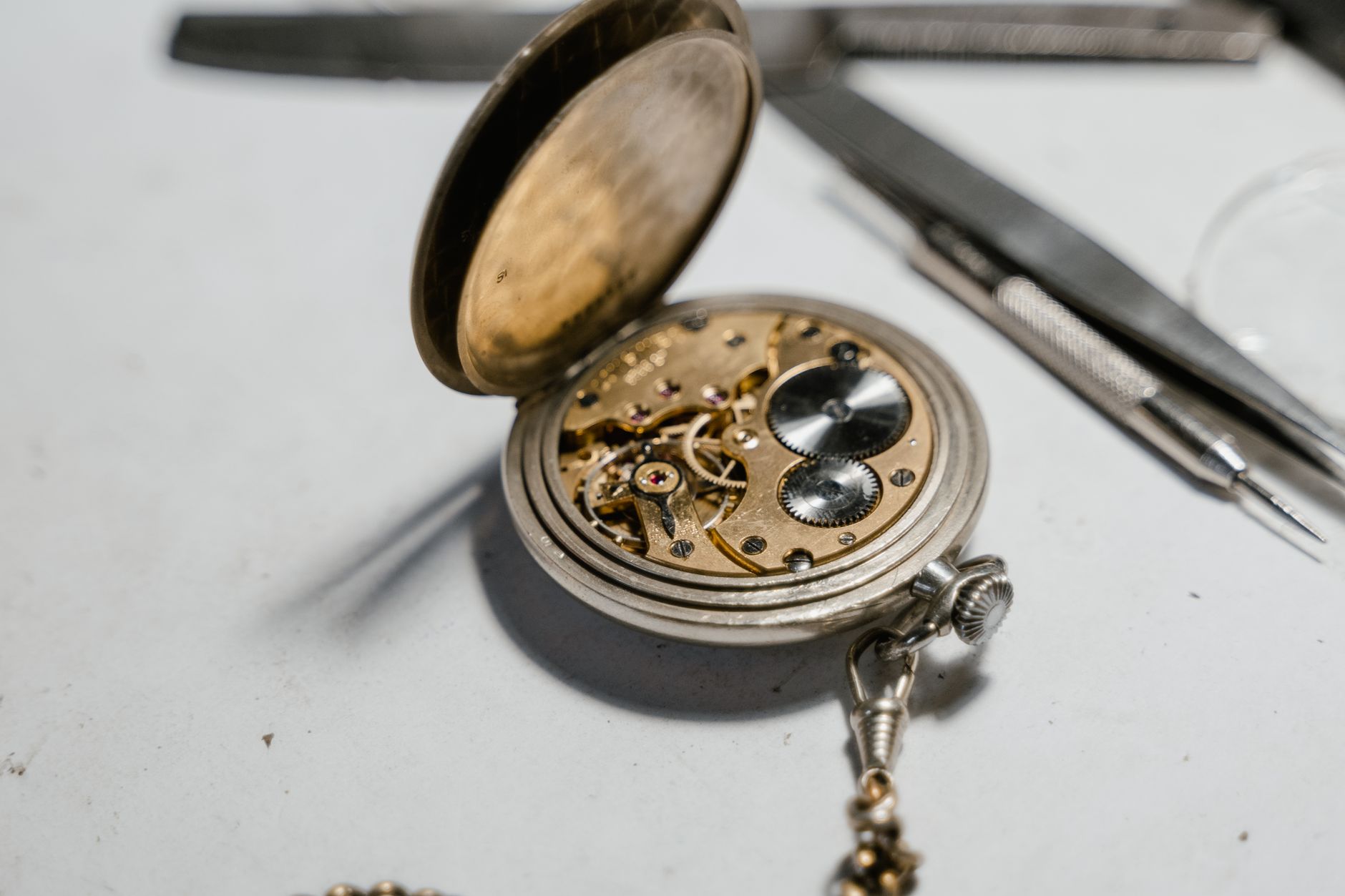
The vintage watch auction market is dominated by three houses: Phillips in Association with Bacs & Russo, Sotheby's, and Christie's. Phillips has been the consistent market leader since its formation in 2015, accounting for the three highest-grossing watch auctions of all time as of 2025. Phillips' Watches department surpassed $200 million in annual auction sales for five consecutive years through 2025. The broader secondary market — grey market dealers, certified pre-owned programs, and private sales — dwarfs the auction market in volume. Industry consultant Oliver Müller has estimated the total secondary watch market at approximately $25 billion annually. Auctions represent a small fraction of this by volume but an outsized share by price discovery — auction results set the reference points against which private transactions are negotiated.
What Actually Determines Vintage Watch Value
The variables that determine a specific vintage watch's value are well-understood by serious collectors. In order of importance: rarity of the specific reference in a specific case material (the steel Patek 1518 is worth multiples of the yellow gold version because steel was rarely used for mid-20th century complications); originality and completeness of the watch (untouched dials, original hands, unpolished cases command significant premiums over restored examples); documented provenance (continuous ownership history and original boxes and papers typically trade at 10–25 percent premiums); and condition relative to other known examples of the same reference. Christie's Hong Kong's analysis of the John Shaw Patek Philippe Collection, offered in November 2025, noted that single-owner thematic sales historically achieve an 8 to 12 percent uplift compared with mixed-consignor catalogues — reflecting the confidence premium buyers place on collections assembled with genuine connoisseurship.
The Collector vs Investor Distinction

The tension between collecting for appreciation and collecting for use is fundamental to the vintage watch market. The watches that have performed best over the past decade are precisely those that most collectors were buying to wear rather than to hold — the steel sports Pateks, the ref. 1518 in steel, the earliest Rolex Daytonas with "Paul Newman" dials. Paul Newman's own Rolex Daytona reference 6239 — worn daily and publicly for decades — sold at Phillips New York in October 2017 for $17,752,500, the highest price ever achieved at auction for any vintage wristwatch. That record stood until the steel Patek 1518 result in November 2025 came within $120,000 of matching it. Both watches share the characteristic that makes the best vintage pieces valuable: they are genuinely irreplaceable, the story is well-documented, and the number of serious collectors who want them grows while the supply cannot.
Entry Points for the Serious Beginner
The vintage watch market becomes accessible well below eight figures. The most reliable entry strategy combines three principles: buy the best example of the least fashionable reference rather than the worst example of the most fashionable one; restrict initial purchases to pieces with documented service history and, ideally, original box and papers; and focus on makers with proven long-term auction liquidity — Patek Philippe, Rolex, and A. Lange & Söhne constitute the three makers whose vintage results have demonstrated the most consistent secondary market depth over the past decade. WatchCharts provides real-time secondary market pricing across references and conditions. Phillips, Sotheby's, and Christie's publish auction results and catalogue notes online — both a market data source and an education in what professional collectors look for in a specific reference.
Sources: Phillips in Association with Bacs & Russo: Decade One (2015–2025) auction results, November 2025; Phillips Watches 2025 Annual Total statement (December 2025); Worldtempus: Auction Records in Geneva, November 2025; Christie's Hong Kong: John Shaw Patek Philippe Collection catalogue analysis, November 2025; Oliver Müller/LuxeConsult secondary market estimate. This article is editorial commentary and does not constitute financial or investment advice. Past auction results are not indicative of future results.